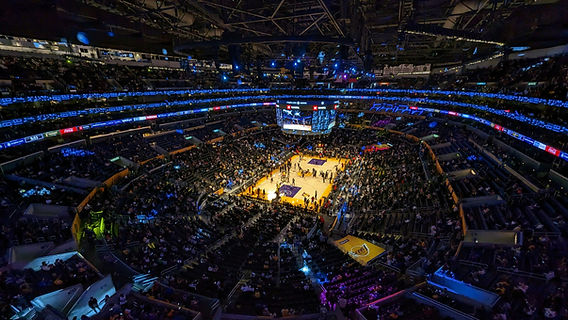
The Los Angeles Lakers are at the center of a major shift in professional sports ownership, with venture capitalist Joshua Kushner emerging as a key figure in the franchise’s pending sale.
The reported agreement represents more than another blockbuster NBA transaction. It also highlights how wealthy technology and investment figures increasingly view sports franchises as long-term assets in an economy being reshaped by artificial intelligence.
Joshua Kushner’s Lakers Investment Signals a New Strategy
Kushner, the founder and CEO of Thrive Capital, is expected to eventually take control of the Lakers through a deal involving his investment interests. His involvement is particularly notable because of Thrive’s strong connections to the technology sector and its early investments in companies such as OpenAI, SpaceX and Anduril.
Rather than simply treating the Lakers as a conventional sports investment, Kushner’s strategy appears connected to a broader belief that major sports franchises could become even more valuable as technology changes how people work, consume entertainment and interact with businesses.
The Lakers are one of the most recognizable sports brands in the world, giving the franchise a unique position beyond traditional financial metrics.
Why AI Is Part of the Lakers Ownership Story
Artificial intelligence is increasingly influencing investment decisions across the global economy. Companies are using AI to automate tasks, reduce costs and develop new products, while investors are trying to identify businesses and assets that could remain valuable during a period of rapid technological change.
Kushner has argued that some human experiences could become more valuable as technology becomes more powerful.
Sports fit that theory because games create shared experiences built around identity, community, history and physical events. Those characteristics are difficult to completely replicate through software or automated content.
For the Lakers, that could mean their enormous global fan base and cultural significance become increasingly important assets.
Lakers Could Become a Long-Term Investment
One of the most significant elements of Kushner’s investment philosophy is the emphasis on permanent ownership rather than buying an asset, improving it and eventually selling it.
That approach could make the Lakers different from traditional investment deals.
The franchise has decades of history, a global audience and one of the strongest brands in professional basketball. Those qualities give the Lakers value that extends well beyond their annual basketball operations.
Kushner’s Thrive Eternal fund has also invested in other cultural and sports assets, including a stake in the San Francisco Giants. That suggests his interest in sports is part of a larger investment strategy rather than an isolated move.
NBA Ownership Has Changed Dramatically
The Lakers deal comes during a period of significant change among NBA ownership groups.
Several franchises have changed hands in recent years as team valuations have soared. New owners have increasingly come from private equity, finance, technology, investment and other industries outside traditional sports ownership.
That trend has brought new approaches to franchise management, including more sophisticated financial structures and greater emphasis on business efficiency.
However, recent NBA transactions have also shown that owning a professional sports team can be complicated.
High valuations, financing arrangements, disputes between ownership groups and difficult decisions involving player salaries can all create challenges for new owners.
The Lakers therefore represent an especially high-profile test for Kushner’s approach.
The Lakers Brand Remains the Biggest Asset
Regardless of who controls the franchise, the Lakers remain one of the most valuable brands in sports.
The team has won numerous NBA championships and has featured generations of iconic players. Its popularity extends well beyond Los Angeles, with fans across the United States and around the world.
That combination of history, celebrity, basketball success and global recognition gives the Lakers a level of cultural influence few franchises can match.
It also explains why the franchise can attract investors who are thinking about decades rather than individual seasons.
Bronny James Faces an Important Lakers Season
While the ownership story dominates the business side of the Lakers, the basketball roster also faces important questions heading into the new season.
Bronny James is among the young players receiving significant attention. The Lakers guard has shown improvement since entering the NBA but still needs to establish himself as a dependable rotation player.
The Lakers currently face a roster crunch, with more players under contract than they can carry once the regular-season roster limit takes effect.
That could force the organization to make additional moves before opening night.
For James, the upcoming season could be especially important. He will need to continue developing his game and demonstrate that he can contribute consistently rather than relying primarily on limited minutes.
What the Lakers Sale Could Mean for the NBA
The Lakers transaction could ultimately become important beyond Los Angeles.
If technology entrepreneurs and AI investors continue moving into professional sports, NBA ownership could become increasingly connected to the technology economy.
The logic is straightforward: as AI makes some forms of digital content and business operations easier to produce, scarce experiences involving real communities, physical events and trusted brands could become more valuable.
Major sports franchises already possess many of those characteristics.
The Lakers may therefore represent an early example of what the next generation of sports ownership could look like.
A New Chapter for the Lakers
The pending Lakers ownership change is about far more than a famous basketball team changing hands.
Joshua Kushner’s investment approach reflects a broader belief that sports can provide long-term value in an economy increasingly influenced by artificial intelligence. His existing technology investments and growing involvement in sports make the Lakers deal particularly significant.
For Lakers fans, the most important question will eventually be what the ownership transition means for the team’s basketball ambitions.
For the wider sports industry, however, the bigger question may be whether the Lakers become a model for a new generation of owners coming from the technology and AI investment world.
If that trend accelerates, the Lakers could find themselves at the forefront of another major transformation in professional sports.