Introduction
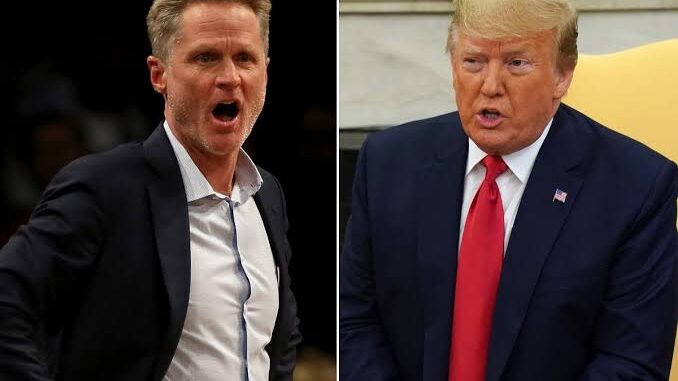
Steve Kerr has long been one of the most outspoken figures in the NBA when it comes to politics, frequently criticizing Donald Trump and broader leadership issues. However, recent interviews reveal a more reflective tone, with Kerr acknowledging certain regrets about how he handled past comments—particularly the language and context surrounding his criticism of Trump.
This evolving stance has sparked renewed interest in Steve Kerr Trump comments, as fans and analysts revisit years of public statements.
Steve Kerr’s History of Trump Criticism
Kerr has never shied away from political discourse. Following the 2016 U.S. election, he openly criticized Trump’s rhetoric and leadership style, expressing “disgust” with divisive language and the direction of political discourse.
Over the years, his comments ranged from sharp critiques to sarcastic jabs. For instance, after Trump’s 2024 election victory, Kerr delivered a measured yet subtly ironic response, saying he believed in democracy while acknowledging the outcome.
His willingness to speak out made him a prominent voice among coaches engaging in political conversations—something relatively rare in professional sports.
The “Regret” Over Trump Comments
In a recent interview, Kerr admitted that he regrets some of his past remarks about Trump, particularly the tone he used. Reports indicate he specifically reflected on calling Trump a “buffoon,” acknowledging that such language may not have been productive.
While Kerr did not walk back his broader criticisms, he suggested that the way messages are delivered matters, especially when addressing deeply divided audiences. This shift highlights a more nuanced perspective rather than a complete reversal.
A Broader Reflection on Communication
Kerr’s comments were part of a wider reflection on his public voice. In the same discussions, he also admitted missteps on other global issues, showing a willingness to reassess past positions and grow from them.
In a detailed interview, he continued to criticize Trump-era leadership but emphasized the importance of thoughtful dialogue over inflammatory rhetoric.
This suggests that Kerr’s regret is less about his beliefs and more about how he communicated them.
Impact on the NBA and Public Perception
Kerr’s outspoken political stance has not been without consequences. Reports suggest that his activism has created internal tension within the Golden State Warriors organization, with some stakeholders preferring less public political engagement.
Still, many fans respect his willingness to speak candidly on social and political issues, seeing it as part of a broader trend of athletes and coaches using their platforms for advocacy.
Conclusion
The story of Steve Kerr Trump comment regrets reflects a broader theme in modern sports: balancing personal expression with public responsibility. Kerr hasn’t changed his core views on Donald Trump, but he has acknowledged that tone, language, and delivery matter just as much as the message itself.
As debates around politics in sports continue, Kerr’s evolution offers a case study in how public figures reassess their words while staying true to their beliefs.