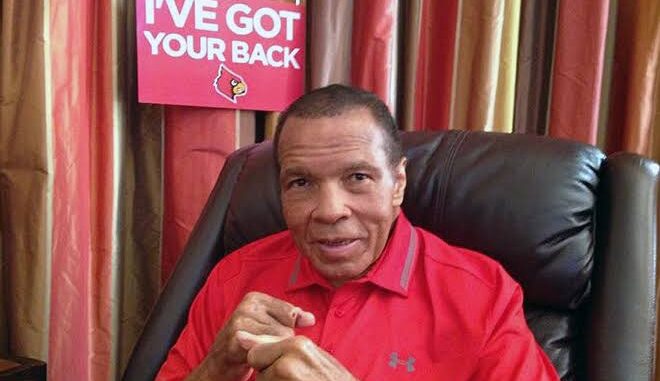
Who is Muhammad Ali?
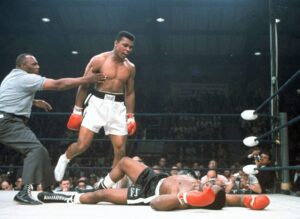
Muhammad Ali was born Cassius Marcellus Clay Jr. on January 17, 1942, in Louisville, Kentucky. After winning a gold medal in the light heavyweight division at the 1960 Rome Olympics, he turned professional and quickly became one of boxing’s brightest stars.
In 1964, after defeating Sonny Liston to win the heavyweight championship, Clay announced that he had joined the Nation of Islam and changed his name to Muhammad Ali.
Ali became known not only for his incredible boxing skills but also for his outspoken personality, memorable quotes, and commitment to social justice.
Did Muhammad Ali Die?
Yes. Muhammad Ali died on June 3, 2016, at the age of 74. His passing marked the end of an extraordinary life that influenced sports, culture, and politics across the globe. Tributes poured in from athletes, world leaders, celebrities, and millions of fans who celebrated his remarkable legacy.
How Did Muhammad Ali Die?
Muhammad Ali died in Scottsdale, Arizona, after being hospitalized with a respiratory illness. According to his family spokesperson, the official cause of death was septic shock due to unspecified natural causes.
Ali had also battled Parkinson’s syndrome for more than three decades after being diagnosed in 1984. Although Parkinson’s significantly affected his movement and speech, the official cause of death was septic shock rather than Parkinson’s itself.
Muhammad Ali’s Legendary Boxing Record
Ali finished his professional career with one of boxing’s greatest resumes.
| Statistic | Record |
|---|---|
| Total Fights | 61 |
| Wins | 56 |
| Wins by Knockout | 37 |
| Losses | 5 |
| Heavyweight Championships | 3 |
His victories over legendary opponents including Sonny Liston, Joe Frazier, George Foreman, Floyd Patterson, Ken Norton, and Leon Spinks cemented his status as one of the greatest heavyweights ever.
Greatest Fights of Muhammad Ali’s Career
The Fight Against Sonny Liston
Ali shocked the boxing world in 1964 by defeating Sonny Liston to become heavyweight champion.
The Fight of the Century
His 1971 bout against Joe Frazier remains one of the biggest sporting events ever held.
Rumble in the Jungle
In 1974, Ali defeated George Foreman using his famous “Rope-a-Dope” strategy, reclaiming the heavyweight title in one of boxing’s greatest upsets.
Thrilla in Manila
Ali’s brutal 1975 trilogy fight against Joe Frazier is still regarded as one of the greatest boxing matches in history.
Muhammad Ali’s Olympic Success
Before becoming a professional, Ali won the light heavyweight gold medal at the 1960 Summer Olympics in Rome, launching a career that would change boxing forever.
Muhammad Ali Outside Boxing
Ali became much more than a boxer.
He opposed the Vietnam War, refusing military induction based on his religious beliefs and conscience. His decision cost him his heavyweight title during the prime of his career but eventually became one of the defining moments of athlete activism.
Throughout his life, Ali traveled worldwide as a humanitarian, supporting peace initiatives and charitable causes.
Muhammad Ali Movies
Several acclaimed films have celebrated Ali’s life.
Ali (2001)
Ali starred Will Smith as Muhammad Ali. Smith received an Academy Award nomination for Best Actor for his performance.
I Am Ali (2014)
I Am Ali offers an intimate look into Ali’s personal life through family interviews and previously unheard audio recordings.
What’s My Name: Muhammad Ali (2019)
What’s My Name: Muhammad Ali is a two-part documentary directed by Antoine Fuqua that explores Ali’s boxing career and his impact beyond sports.
Awards and Honors
Ali received numerous prestigious honors during and after his career, including:
- Olympic Gold Medal (1960)
- Three-time World Heavyweight Champion
- International Boxing Hall of Fame inductee
- Presidential Medal of Freedom
- BBC Sports Personality of the Century
- Sports Illustrated Sportsman of the Century
Why Muhammad Ali Is Still Remembered
Muhammad Ali changed the way athletes used their voices. His confidence, courage, and commitment to his beliefs made him one of the most admired public figures of the 20th century.
His famous quote, “Float like a butterfly, sting like a bee,” continues to symbolize excellence, confidence, and resilience.
More than a decade after his death, Ali remains one of the most recognizable names in sports history.
Frequently Asked Questions (FAQs)
Did Muhammad Ali die?
Yes. Muhammad Ali died on June 3, 2016, at the age of 74.
How did Muhammad Ali die?
He died from septic shock following a respiratory illness.
What was Muhammad Ali’s boxing record?
Ali retired with a professional record of 56 wins and 5 losses, including 37 knockouts.
Who played Muhammad Ali in the movie Ali?
Will Smith portrayed Muhammad Ali in the 2001 biographical film Ali.
Why is Muhammad Ali called “The Greatest”?
Ali earned the nickname because of his extraordinary boxing achievements, confidence, and his lasting influence on sports and society.
When did Muhammad Ali win Olympic gold?
He won the light heavyweight gold medal at the 1960 Rome Olympics.