Introduction

Kenny Easley, one of the most iconic safeties in NFL history and a cornerstone of the early Seattle Seahawks defense, has passed away at the age of 66. Known for his physical style of play, leadership, and tenacity, Easley left an indelible mark on both college and professional football. His death, announced in November 2025, has sparked an outpouring of tributes from fans, former teammates, and the Seahawks organization. While the cause of death remains undisclosed, his health journey and battles with kidney disease have long been public.
In this article, we delve into Kenny Easley’s life, tracing his path from college stardom at UCLA to NFL glory with the Seahawks, his health challenges, and the circumstances surrounding his death.
Early Life and College Career
Background & Early Years
Kenny Easley was born on January 15, 1959, in Chesapeake, Virginia. He attended Oscar F. Smith High School, where he was a standout athlete. According to his biography, he became the first player in Virginia high school football history to both rush and pass for over 1,000 yards in a single season.
UCLA Years
Easley committed to UCLA, where he played from 1977 to 1980. During his time with the Bruins, he quickly emerged as a defensive force:
-
He was first-team All-Pac-10 for all four years (1977–1980).
-
He earned All-American honors multiple times.
-
In his freshman year, he set impressive marks, including nine interceptions and 93 tackles, which were school records.
-
His jersey number 5 was later retired by UCLA in recognition of his college achievements.
Easley’s dominance at UCLA established him as one of the top defensive back prospects in the country, paving the way for his entry into the NFL.
NFL Career & Seahawks Legend
Draft & Early Impact
Kenny Easley was selected 4th overall in the 1981 NFL Draft by the Seattle Seahawks. From his rookie year, he made an immediate impact in Seattle, earning recognition for his ball skills and physicality.
Playing Style & Nickname
Nicknamed “The Enforcer,” Easley was known for his hard hits, fearless tackling, and the ability to read the quarterback. Over his seven-season career (1981–1987), he became a cornerstone of the Seahawks’ defense.
Career Highlights
Some of Easley’s most notable achievements in the NFL include:
-
5× Pro Bowl selections.
-
3× First-team All-Pro honors.
-
NFL Defensive Player of the Year (1984): In 1984, he had a breakout season, leading the league with 10 interceptions, two of which he returned for touchdowns.
-
Member of the 1980s NFL All-Decade Team.
-
Career totals: 32 interceptions, 11 fumble recoveries, 8.0 sacks, and a number of forced fumbles.
End of Playing Career
Easley’s NFL career was cut short following the 1987 season. He was traded to the Phoenix (later Arizona) Cardinals, but failed the physical due to a serious kidney ailment. The diagnosis forced him into early retirement at the age of 28.
Post-Trade & Lawsuit
Easley believed that his kidney disease was caused or exacerbated by excessive ibuprofen use, which he claimed was provided liberally by Seahawks medical staff. He filed a lawsuit against the team alleging that the medical staff allowed him to play despite the risk and failed to properly inform him. The case was settled out of court.
Transplant & Reconciliation
In 1990, Easley underwent a kidney transplant at the University of Washington Medical Center. Years later, he and the Seahawks reconciled. In 2002, the team inducted him into their Ring of Honor, marking a turning point in his relationship with the franchise.
Legacy & Honors
-
In 2017, Easley was inducted into the Pro Football Hall of Fame, a long-awaited honor.
-
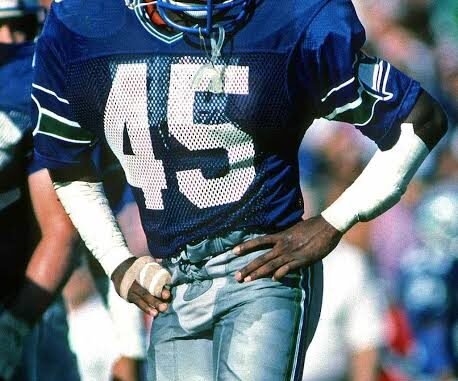
The Seahawks retired his jersey, No. 45, in celebration of his contributions and legacy.
-
He was also honored by UCLA, and remains among the most celebrated players in their football history.
Health Struggles & Cause of Death
Kidney Disease
The most significant health challenge Easley faced was kidney disease, first identified when he was traded in 1988. The condition was serious enough for him to fail a team physical, which ultimately ended his playing career.
Ibuprofen Controversy
Easley claimed that during his time with the Seahawks, he was given large doses of ibuprofen for pain management. He alleged that the over-the-counter medication significantly damaged his kidneys, a charge that formed the basis of his legal battle with the team. The lawsuit was eventually settled, though details of the settlement were not publicly disclosed.
Transplant & Long-Term Health
Following his diagnosis, Easley underwent a kidney transplant in 1990, which allowed him to rebuild his life post–NFL. Despite his struggles, he remained engaged with the Seahawks organization and broader football community.
He also faced other health issues later in life. Notably, in 2016, he underwent triple bypass heart surgery, another major medical event.
Death at 66 – What We Know
On November 14, 2025, Kenny Easley passed away at age 66. Multiple sources including the Seahawks confirmed his death. However, no official cause of death has been announced by his family or the Pro Football Hall of Fame as of now.
According to some reports, his death followed a “period of declining health,” but there is no publicly verified link between his passing and any specific condition. Kenny Easley death.
Impact & Legacy
On the Seahawks
Easley remains a towering figure in Seahawks history. His physical presence, leadership, and playmaking ability helped shape the early identity of Seattle’s defense. The retirement of his No. 45 jersey and his inclusion in the Ring of Honor are testaments to how highly he is regarded by the franchise.
In the NFL
Though his career was relatively short (just seven seasons), Easley’s impact was profound. He is remembered as one of the hardest-hitting, most instinctive safeties of his era. His induction into the Pro Football Hall of Fame in 2017 validated his status among the all-time greats.
In College Football
At UCLA, Easley was a defensive stalwart. His record-setting freshman year, consistent All-Pac-10 selections, and All-American honors cemented his legacy in college football. His influence lives on in the school’s football program, and his jersey retirement there underscores his lasting significance.
Beyond the Field
After retiring, Easley became a successful businessman, owning a Cadillac dealership and later co-owning a semi-professional arena football franchise. Despite his health battles, he maintained a strong connection with the Seahawks community, especially after being welcomed back into the fold in the early 2000s.
His story also brought attention to the issue of painkiller use in professional sports, particularly regarding long-term health risks.
Reactions to His Death
The news of Easley’s passing prompted heartfelt tributes from across the NFL world:
-
The Seattle Seahawks released a statement mourning the loss of a “Seahawks Legend,” praising his leadership, toughness, intensity, and fearlessness.
-
The Pro Football Hall of Fame expressed condolences to his family, acknowledging his remarkable career and cemented legacy.
-
UCLA also paid tribute, highlighting his role as a Bruin legend and recalling his outstanding college career. Kenny Easley death.
Why His Death Resonates
-
Symbol of Strength: Easley’s journey — from dominating college play, to intense NFL seasons, to his health struggles — symbolises both physical power and human vulnerability.
-
Health Awareness: His well-documented kidney issues, linked in his view to over-the-counter painkiller use, spotlight the risks athletes may face long term.
-
Legacy of Reconciliation: After years of strained relations with the Seahawks, his later induction into the Ring of Honor showed a powerful reconciliation — a story of respect, redemption, and recognition.
-
Inspiration: For young athletes, fans, and former players, Easley’s tenacity on and off the field remains deeply inspiring. Kenny Easley death.
Frequently Asked Questions (FAQs)
-
When did Kenny Easley die?
Kenny Easley passed away on November 14, 2025, at the age of 66. -
What was the cause of Kenny Easley’s death?
As of now, no official cause of death has been disclosed by his family or the Pro Football Hall of Fame. -
Did Kenny Easley have health problems?
Yes. Easley suffered from severe kidney disease, which ended his NFL career. He later received a kidney transplant in 1990. He also underwent triple-bypass heart surgery in 2016. -
Why did Kenny Easley retire so early from the NFL?
He retired after the 1987 season because a physical with the Phoenix (later Arizona) Cardinals revealed a serious kidney ailment. -
What was the controversy surrounding his health and the Seahawks?
Easley claimed that the Seahawks’ medical staff allowed him to take large doses of ibuprofen, which he felt contributed to his kidney damage. He sued the team over this issue, and they later settled out of court. -
What are Kenny Easley’s major achievements in the NFL?
-
5× Pro Bowl selection
-
3× First-team All-Pro
-
1984 Defensive Player of the Year for leading the league with 10 interceptions
-
Member of the 1980s NFL All-Decade Team
-
Career total of 32 interceptions and several other defensive stats.
-
-
Was he honored by the Seahawks after his retirement?
Yes. He was inducted into the Seahawks’ Ring of Honor in 2002, and his jersey number 45 was retired by the team. He was also inducted into the Pro Football Hall of Fame in 2017. -
What was his legacy at UCLA?
At UCLA, Easley was a dominant defensive back: four-time first-team All-Pac-10, multiple All-American honors, and he set school records as a freshman. His college number (5) was later retired by the university. Kenny Easley death.
Conclusion
Kenny Easley’s passing marks the end of a remarkable era. A fierce competitor on the field, he was known as “The Enforcer” for his hard-hitting play, but his life off the field was marked by equally formidable challenges. From his battle with kidney disease and the ensuing lawsuit to a heart surgery later in life, Easley faced adversity with resilience, faith, and dignity.