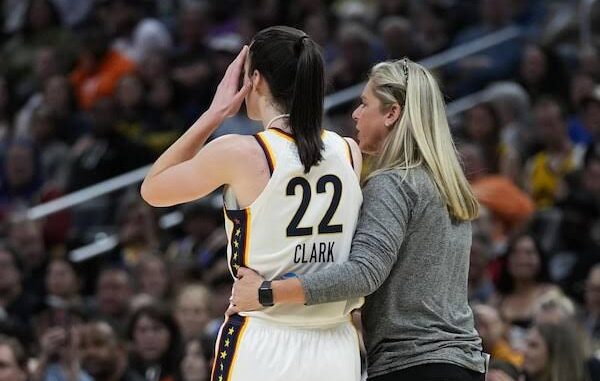
Caitlin Clark has once again become the center of discussion across the WNBA, not only because of her elite play for the Indiana Fever but also due to the amount of physical contact she faces every game. Fans, analysts, coaches, and former players continue to debate whether Clark is being defended aggressively within the rules or whether inconsistent officiating has allowed excessive contact to become a recurring issue.
As one of the league’s biggest stars, every hard foul involving Clark quickly becomes national news, creating fresh conversations about player safety, officiating standards, and how the WNBA should balance physical basketball with protecting its marquee talent.
Why Caitlin Clark Is Receiving So Much Physical Attention
Clark entered the WNBA with a reputation as one of basketball’s greatest shooters and playmakers. Opposing teams frequently design defensive game plans specifically to limit her long-range shooting and passing.
That strategy naturally results in heavy ball pressure, frequent traps, and physical defense. However, recent incidents have sparked debate about whether some plays crossed the line from competitive basketball into unnecessary contact.
Recent Incident Renewed the Debate
The latest controversy followed a heated matchup between the Indiana Fever and the Phoenix Mercury, where contact involving Mercury forward Alyssa Thomas drew significant attention. After league review, the WNBA upgraded the play to a Flagrant 2 foul and issued a one-game suspension, saying it involved unnecessary non-basketball contact.
The incident reignited discussion across social media and sports television about whether Clark receives enough protection from officials.
WNBA Officiating Under the Microscope
League officiating has become one of the biggest talking points of the 2026 WNBA season.
Many observers argue that Clark absorbs more physical punishment because she constantly handles the ball and attracts double teams. Others believe the physical style of play has always been part of the WNBA and that Clark is experiencing the same defensive intensity faced by many elite guards.
The discussion has highlighted a broader divide over how the league should officiate games moving forward. Some players favor maintaining a physical style, while others want greater emphasis on freedom of movement and quicker foul calls.
Indiana Fever Continue to Support Their Star
Indiana Fever coaches have publicly expressed frustration with what they view as inconsistent officiating surrounding Clark.
Following recent games, team officials called for greater consistency from referees, arguing that protecting skilled players benefits both player safety and the overall quality of basketball.
Despite the attention, Clark has continued producing impressive performances while leading the Fever offense.
Clark Remains One of the League’s Biggest Stars
Even amid the controversy, Clark’s popularity has not slowed.
She remains among the WNBA’s leading vote-getters for the 2026 All-Star Game and continues to rank among the league leaders in scoring, assists, television ratings, and fan engagement.
Her influence extends well beyond basketball, making every major on-court incident a headline across sports media.
The Bigger Picture
The ongoing conversation surrounding Caitlin Clark reflects a larger issue facing the WNBA: how to preserve the league’s traditionally physical style while ensuring consistent officiating and player safety.
As Clark continues to be one of the league’s most closely guarded players, debates over physical contact are unlikely to disappear. Instead, they may shape future officiating standards and influence how games are called throughout the remainder of the season.