
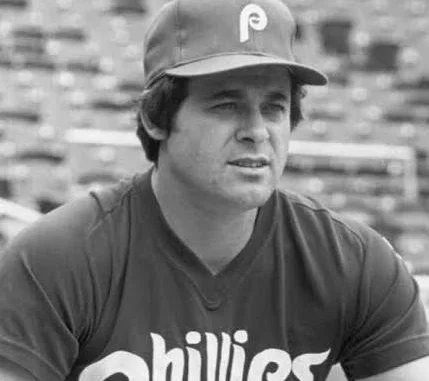
Former Cincinnati Reds manager and legendary MLB catcher Bob Boone has died at the age of 78. The Major League Baseball Players Association (MLBPA) confirmed his death on November 10, 2026, paying tribute to a player who made a lasting impact on baseball both on and off the field.
Boone died on November 9, according to reports. He was remembered for his outstanding defensive career, leadership within the players’ union and contributions as a manager in Major League Baseball.
His death marks the loss of an important figure in baseball history, particularly for the Cincinnati Reds, Philadelphia Phillies and Kansas City Royals organizations.
Bob Boone Dies at 78: What Happened?
Bob Boone, the former Cincinnati Reds manager and four-time MLB All-Star catcher, has died at 78.
The MLB Players Association announced his death in a statement, highlighting his influence on the field and his commitment to protecting players’ rights.
“Bob Boone had an enduring impact on the field,” the MLBPA said.
The organization also recognized his contribution to the union, particularly during the 1970s and 1980s, when he became an important voice in discussions surrounding player rights.
The MLBPA expressed gratitude for his dedication and leadership, emphasizing that generations of baseball players benefited from his commitment to the organization.
Bob Boone’s MLB Playing Career
Bob Boone enjoyed a 19-year playing career in Major League Baseball, establishing himself as one of the most respected defensive catchers of his generation.
He played for three franchises during his career:
-
Philadelphia Phillies: 10 seasons
-
California Angels: Seven seasons
-
Kansas City Royals: Two seasons
Boone earned seven Gold Glove Awards, recognizing his outstanding defensive abilities behind the plate. He was also selected to four MLB All-Star teams.
One of the biggest achievements of his playing career came in 1980, when he helped the Philadelphia Phillies win the World Series.
His defensive consistency, leadership and experience made him an important contributor throughout his time in the major leagues.
Bob Boone and the 1980 Philadelphia Phillies World Series Championship
Boone played a significant role in the Philadelphia Phillies’ historic 1980 season.
The Phillies captured their first World Series championship that year, defeating the Kansas City Royals in six games.
As the team’s catcher, Boone provided defensive leadership and experience during the championship run.
His seven Gold Glove Awards and four All-Star selections further established his reputation as an elite defensive player.
Although his career included multiple teams, his decade with Philadelphia remained one of the defining chapters of his baseball journey.
Bob Boone’s Managerial Career With the Cincinnati Reds
Following his retirement as a player, Boone moved into baseball management.
He managed the Kansas City Royals from 1995 through 1997 before taking over the Cincinnati Reds.
Boone managed the Reds for parts of three seasons, from 2001 through 2003. He finished his Cincinnati managerial tenure with a 190-238 record.
The Reds dismissed Boone during the 2003 season as part of wider organizational changes that also involved general manager Jim Bowden and other members of the coaching staff.
Despite the challenging results, Boone remained an important part of the franchise’s history.
His connection to Cincinnati was also personal because two of his sons, Aaron Boone and Bret Boone, were associated with the Reds organization.
Bob Boone’s Sons: Aaron Boone and Bret Boone
Bob Boone was part of one of baseball’s most recognizable families.
His son Aaron Boone is currently the manager of the New York Yankees. Aaron also played for the Cincinnati Reds, continuing the family’s connection to the organization.
Aaron Boone eventually became one of the prominent managerial figures in MLB, making his father’s influence on baseball particularly significant.
Bob’s other son, Bret Boone, also played for the Cincinnati Reds from 1994 through 1998.
Bret enjoyed a successful MLB playing career and established himself as an accomplished second baseman.
The Boone family has maintained a strong presence in professional baseball across multiple generations, making Bob’s passing especially significant for the baseball community.
Bob Boone’s Impact on MLB Players Association
Beyond his playing and managerial achievements, Boone made important contributions to the MLB Players Association.
During the 1970s and 1980s, he emerged as a strong advocate for players’ rights and became a respected leader within the union.
His involvement helped strengthen the relationship between players and their representative organization during an important period in baseball labor history.
The MLBPA highlighted this contribution in its statement following his death.
The association emphasized that current and former players owed Boone considerable gratitude for his dedication to the union and its mission.
His legacy therefore extends beyond statistics, awards and managerial records.
Bob Boone Career Achievements and Records
Here is a look at some of the major achievements from Bob Boone’s baseball career:
| Achievement | Record |
|---|---|
| MLB playing career | 19 seasons |
| Gold Glove Awards | 7 |
| All-Star selections | 4 |
| World Series championships | 1 (1980) |
| World Series team | Philadelphia Phillies |
| Reds managerial record | 190-238 |
| Royals managerial record | 181-206 |
| MLB teams as a player | Phillies, Angels, Royals |
Boone finished his managerial tenure with Kansas City with a 181-206 record before moving to Cincinnati.
His career demonstrated his versatility as a player, leader and manager.
Baseball Community Remembers Bob Boone
Bob Boone’s death at 78 has brought attention to a career that covered nearly two decades as a player and several more years as a manager and union leader.
From winning a World Series with the Philadelphia Phillies to managing the Cincinnati Reds and Kansas City Royals, Boone remained connected to baseball throughout his professional life.
His seven Gold Gloves reflected his defensive excellence, while his work with the MLB Players Association demonstrated his commitment to fellow players.
His legacy will also continue through his sons, Aaron and Bret Boone, who carried the family name into another generation of Major League Baseball.
Boone will be remembered not only for his accomplishments on the field but also for his leadership and influence throughout the sport.


Leave a Reply