Sinner: Cramps | V Spizzirri | Match Suspended | Spizzirri | Match – Australian Open Drama
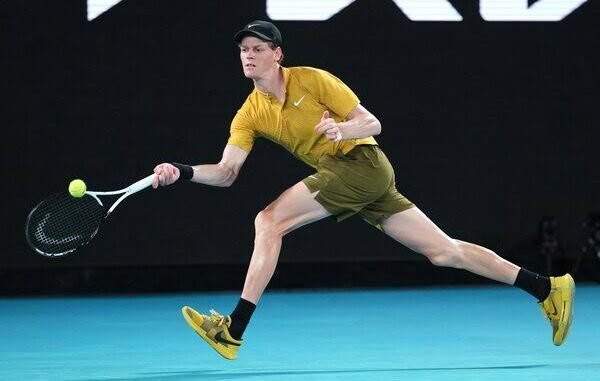
At the 2026 Australian Open, one of the most gripping matches of the tournament unfolded as defending champion Jannik Sinner faced American Eliot Spizzirri in the third round. What began as a high-stakes duel between two contrasting styles quickly turned into a test of endurance, mental strength, and athletic grit — fueled by one of the hottest days in Melbourne Park history.
In this detailed exploration, we unpack the dramatic twists that defined this confrontation: Sinner’s battle with debilitating cramps, Spizzirri’s breakout performance, the decision to suspend play due to extreme heat, and the ultimate outcome that saw Sinner advance in spectacular fashion.
A Sweltering Stage: Melbourne Heat and the Australian Open
The 2026 Australian Open will long be remembered for its scorching conditions. Temperatures soared close to 40°C (104°F) in the middle of the day, triggering the tournament’s extreme heat protocols — a system designed to protect player safety when conditions become dangerous.
Under the Australian Open’s Heat Stress Scale, once the level reaches 5.0, play is suspended on outdoor courts and roofs on key arenas like Rod Laver Arena are closed to provide cooler, controlled environments for competitors.
It was in this blistering context that Sinner and Spizzirri’s third-round match took place — a backdrop that would heavily influence both the flow and outcome of their contest.
Meet the Players: Sinner vs. Spizzirri
Jannik Sinner
-
Italian tennis star, World No. 2, and two-time defending Australian Open champion heading into the match.
-
Known for his aggressive baseline game, powerful groundstrokes, and physical resilience — but not immune to challenging conditions.
-
Sinner’s journey in the tournament had been dominant — until this match.
Eliot Spizzirri
-
American underdog ranked in the 80s — outside the expected circle of major champions.
-
This was one of his first appearances in the main draw of a Grand Slam, and he was playing with freedom, confidence, and little to lose.
-
Spizzirri’s fearless level early in the match stunned many fans and pundits alike.
The Match Begins: Spizzirri Shocks Sinner
From the outset, the contest was anything but routine. Spizzirri started aggressively, combining depth, precision, and tactical variation to pressure Sinner from the baseline.
-
First Set: Spizzirri took the opener 6-4, capitalizing on the erratic conditions and Sinner’s slower movement.
-
Heavy heat and humidity were already affecting both players, but especially Sinner — who relied heavily on stretching and brief ice breaks between games.
For a period, the match looked like it could deliver one of the biggest upsets in recent Australian Open history.
Physical Struggles: Sinner Battles Cramps
Midway through the third set, Sinner’s physical condition gave spectators a stark reminder that even the sport’s elite are human.
At 3-1 down in the third set, Sinner was visibly struggling:
-
Cramping in both legs severely hampered his mobility.
-
He also experienced cramps in his arms, which affected his serve and groundstroke precision.
-
Sinner limped between points and required on-court treatment — a telltale sign of how dire his physical state had become.
The combination of heat and prolonged physical exertion had pushed him to the brink.
Suspension of Play: A Crucial Turning Point
As the Heat Stress Scale hit its maximum threshold, the tournament officials temporarily suspended play and closed the roof on Rod Laver Arena.
This break lasted about 10 minutes — but its impact was far greater than the duration would suggest.
Why the Suspension Mattered
-
The indoor conditions under the closed roof were significantly cooler and more stable — immediately relieving some of the stress from the extreme heat.
-
Sinner used the pause to recuperate, consult with his team, and reset mentally and physically.
-
Many fans and commentators described this moment as a “lifeline” for Sinner, as he seemed on the verge of collapsing before the suspension.
Spizzirri, by contrast, lost part of his momentum — something that critics of the stoppage continue to debate even after the match concluded.
The Turnaround: Comeback Under Pressure
Once play resumed, the match took on a different complexion.
Physical vs. Mental Fortitude
-
The cooler, indoor temperature allowed Sinner’s cramping to subside enough for him to move more freely.
-
Despite lingering discomfort, the champion began to shorten points and target weaknesses in Spizzirri’s game.
-
Sinner broke back into the third set and solidified his rhythm.
The scoreline that followed — 4-6, 6-3, 6-4, 6-4 — doesn’t fully capture the emotional and physical volatility of the contest, but it marked the culmination of a hard-fought comeback.
Spizzirri’s Brave Performance
Despite the eventual loss, Spizzirri’s performance was widely praised:
-
He played arguably the best tennis of his career on one of the sport’s biggest stages.
-
His composure and tactical clarity in the early stages illustrated why he should be seen as a rising contender rather than just an underdog.
-
Many fans feel he’ll return to the Grand Slams stronger and more confident after this match.
Even though the result favored Sinner, Spizzirri earned respect from players, commentators, and fans worldwide.
Controversy and Debate: Fair or Favourable?
The timing of the heat suspension sparked debate:
-
Some argued the momentary stoppage and cooler indoor conditions tipped the scales in Sinner’s favour at a pivotal point in the match.
-
Others maintained that the policy is applied uniformly — triggered only when the heat index reached dangerous levels across courts.
While the rules are designed for safety rather than competitive intervention, the controversy added even more intrigue to this match’s legacy.
What This Means for Sinner’s Title Defence
With this gritty win, Sinner progresses to the fourth round, keeping alive his quest for a historic third consecutive Australian Open title.
However, questions remain about:
-
His ability to handle extreme heat in future matches.
-
Whether his physical resilience will be a limiting factor in longer best-of-five encounters.
-
How rival players might exploit heat conditions or physiological stress points.
Still, his comeback speaks volumes about his mental toughness and adaptability — critical traits for any champion.
Impact of Heat on Modern Tennis
This match — and others at the 2026 Australian Open — highlights a broader issue: climate and player safety.
-
Extreme temperatures are becoming more common at Grand Slam tournaments.
-
Organisations like Tennis Australia employ Heat Stress Scales and roof-closure protocols to prioritise player health.
-
However, heat still influences strategy, performance, and outcomes in unpredictable ways.
Moving forward, the tennis world may look toward enhanced scheduling, revised cooling breaks, or further safety initiatives to ensure both performance and well-being.
Key Takeaways
-
Sinner’s grit showed through adversity, as he battled cramps and heat to prevail.
-
Spizzirri announced himself on a big stage, earning respect despite a loss.
-
Heat protocols played a decisive role, sparking debate about timing and impact.
-
Player safety remains a priority, even as extremes of weather challenge elite athletes. Sinner cramps.
Frequently Asked Questions (FAQs)
Q1: Why was the Sinner vs Spizzirri match suspended?
A: The match was briefly suspended because tournament officials triggered the Australian Open’s extreme heat policy when the Heat Stress Scale reached its highest level, prompting roof closures and a short halt to play to protect player safety.
Q2: Did the heat suspension help Sinner win?
A: Many commentators and fans believe the break benefited Sinner, allowing him to recover from cramps in cooler conditions, though the suspension was applied under official policy for player safety.
Q3: How did Spizzirri perform in this match?
A: Eliot Spizzirri played one of his best matches, taking the first set and leading in the third before the heat intervention. His performance garnered admiration and signs of future potential.
Q4: What was the final score?
A: Sinner defeated Spizzirri 4-6, 6-3, 6-4, 6-4 after a tense and physically demanding contest.
Q5: What comes next for Sinner?
A: Sinner moves on to the fourth round of the Australian Open, continuing his bid for a third straight title amid ongoing discussions about heat management and player conditioning.