Introduction
Serena Williams, a name synonymous with tennis greatness, has captured global admiration not just for her 23 Grand Slam titles, but also for her resilience, authenticity, and relentless pursuit of excellence. Recently, she unveiled a deeply personal chapter: her postpartum weight loss journey supported by Zepbound—a GLP-1 weight loss medication. In this article, we explore why she chose to take this path, how it transformed her life, and what it means for women everywhere.
1. The Challenge: Why Traditional Fitness Fell Short
Even for an elite athlete like Serena, shedding weight after childbirth proved unexpectedly difficult. After the birth of her first daughter, Olympia, in 2017, despite rigorous workouts and healthy eating, her body resisted the change she longed for.
Her second pregnancy in 2023—welcoming daughter Adira—presented a similar struggle. A surge of weight loss came initially, but soon plateaued, leaving Williams trapped in a frustrating cycle of steadfast discipline without results.
Serena powerfully articulated this in a Vogue interview: “After I had my kids, I hit a wall I had never encountered before. I was doing everything right. Working out. Eating clean. Following the plan. But my body wasn’t responding the way it used to.”
2. Discovering Zepbound via Ro
Determined to break the plateau, Serena began researching alternatives. After careful consideration, she turned to GLP-1 medications—a class of drugs initially developed for diabetes, now commonly used for weight loss. She accessed Zepbound through Ro, a telehealth platform where she later became a paid ambassador.
As a key decision point, Serena shared, “I did a lot of research on it. I was like, ‘Is this a shortcut? What are the benefits? What are not the benefits?’ I really wanted to dive into it before I just did it.”
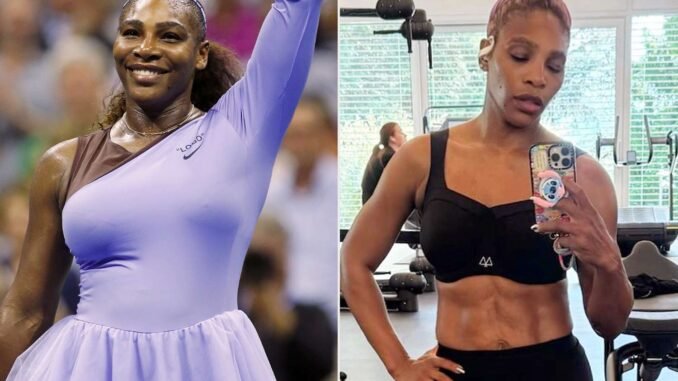
3. The Results: Before and After
Serena’s commitment paid off. Over approximately eight months, she lost 31 pounds while continuing her healthy diet and intense workouts.
Reflecting on the transformation, she said, “I feel great… I feel really good and healthy. I feel light physically and light mentally.” Her renewed energy, diminished joint pain, and overall confidence became vivid testaments to the medication’s impact.
4. Purpose Beyond Physical Change
Serena emphasized that her journey isn’t just about losing weight—it’s about reclaiming health, mobility, and joy. She stated, “Weight loss should never really change your self-image… you should love yourself at any size and any look.”.
She tackled the stigma head-on: “If you’re on GLP-1s too, don’t let anybody tell you it’s the ‘easy way out.’ You’re not taking a shortcut, you’re taking care of yourself, and that takes courage.”
As a public figure and a mother, Serena aims to model transparency and strength, encouraging open discussions on postpartum health challenges and the evolving wellness landscape VogueELLEThe TimesTheGrio.
5. Understanding Zepbound and GLP-1 Medications
What is Zepbound?
Zepbound is a once-weekly injectable GLP-1 medication FDA-approved for long-term weight management in individuals with obesity or overweight-related health conditions. It acts on both GIP and GLP-1 hormone receptors, promoting feelings of fullness, slowing digestion, and supporting insulin release while reducing blood sugar production.
In clinical trials, users lost an average of 48 pounds over 72 weeks versus just over 7 pounds with placebo.
How does Ro support patients?
Ro provides telehealth consultations, medication access, and ongoing provider support. Their “Ro Body” membership includes medical consults and messaging, with the first month discounted to $45 (subsequent months around $145), not including the drug cost.
6. The Broader Impact: Redefining Wellness & Postpartum Support
Serena’s openness casts light on broader issues:
-
Postpartum Struggles Aren’t Shameful: Not even top-tier athletes can overcome hormonal, metabolic, and physical changes after childbirth with exercise alone.
-
Stigma Around Weight-Loss Treatments: Her story challenges the misconception that using medication is an “easy out.” It’s instead a valid, evidence-based tool when combined with healthy practices.
-
Encouraging Honest Conversations: By sharing her narrative, Serena fosters empathy and support for women facing similar hurdles.
-
Focus on Holistic Health: Her journey underlines that well-being isn’t solely about appearance—it’s about feeling confident, active, and mentally light.
Conclusion
Serena Williams’s journey with Zepbound is not just a high-profile weight loss story—it’s a testament to resilience, research-informed decision-making, and redefining what self-care looks like in modern health culture.
Despite her unmatched athleticism, she encountered barriers only addressable by combining lifestyle with medical innovation. In shedding 31 pounds, Serena regained much more: vitality, confidence, and a voice to elevate dialogue around women’s postpartum health. Her story reminds us that asking for help can be the strongest move of all.