Introduction

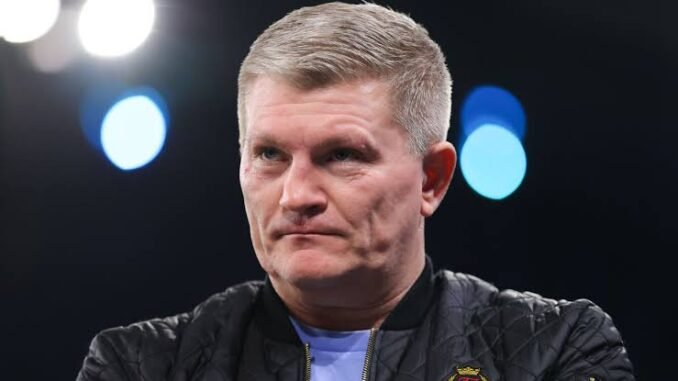
Ricky “The Hitman” Hatton, one of Britain’s most adored sporting icons, passed away at the age of 46 on 14 September 2025. Found at his home in Hyde, Greater Manchester, authorities confirmed his death was not treated as suspicious. This article delves deeply into his iconic boxing record, the pivotal Pacquiao fight, struggles with mental health and suicide, and the emerging narratives around the cause of death.
1. Ricky Hatton’s Boxing Record
A revered figure in the ring, Hatton compiled an impressive professional record of 45 wins in 48 bouts. He claimed world titles in both the light-welterweight and welterweight divisions, accumulating accolades like the IBF, WBU, WBA, WBO, and The Ring titles.
His charm and working-class grit—coupled with electrifying ring entrances to “Blue Moon”—made him a beloved hometown favorite in Greater Manchester. A defining moment of his career was the 2005 triumph over Kostya Tszyu, earning him the IBF light-welterweight championship.
A flawless 43-0 record ended following a defeat by Floyd Mayweather Jr. in 2007—a turning point in his career trajectory.
2. The Pacquiao Fight: Legacy and Psychological Impact
On 2 May 2009, Hatton squared off against Manny Pacquiao in Las Vegas for the IBO and The Ring light-welterweight titles. In a devastating bout known as “The Battle of East and West,” Pacquiao knocked Hatton down twice in the first round, then delivered a brutal left hook in the second round that left Hatton unconscious and foreshadowed the end of his prime.
Hatton later said it was the hardest punch he ever received and admitted he did not remember it landing. The fight had a profound psychological impact. In interviews, Hatton revealed he contemplated suicide after the loss to Pacquiao, marking a deep emotional nadir.
This fight not only ended his dominance but triggered a personal crisis that would follow him long after.
3. Mental Health Struggles: Depression, Addiction, and Suicide Attempts
Post-retirement, Hatton opened up about intense mental health battles, including depression, alcohol and drug addiction, and multiple suicide attempts.
In a candid 2016 BBC radio interview, Hatton confessed:
“I was coming off the rails with my drinking and that led to drugs. It was like a runaway train.”
He had previously overdosed in 2012 and entered rehab for cocaine addiction in 2010, as documented in his autobiography.
Despite the darkness, Hatton became an advocate for mental health, speaking publicly to destigmatize struggle and encourage support for others.
4. Coming Out of Retirement: A Final Act
In July 2025, Hatton announced a planned comeback fight in Dubai scheduled for 2 December against Eisa Al Dah. It would have ended a 13-year hiatus. Tragically, his death came months before this much-anticipated return. Ricky Hatton death.
5. Death and Cause of Death: Suicide Theories and Facts
Greater Manchester Police confirmed Hatton’s body was discovered at his residence at around 6:45 a.m., following a neighbor’s alert, and stated the circumstances were not suspicious. The exact cause of death has not been publicly disclosed yet; a post-mortem examination is pending.
The headline framing includes the term “suicide,” likely based on Hatton’s history of attempts and mental health issues. However, no confirmation from authorities confirms the death as self-inflicted at this time.
6. Community and Colleague Tributes
News of Hatton’s passing prompted a heartfelt outpouring from boxing luminaries and fans alike. Manny Pacquiao, Tyson Fury, Amir Khan, Barry McGuigan, and teammates from Manchester City paid tribute to his legacy, both as a fighter and as a person.
His openness about personal struggles also elevated him to a role model for mental health awareness in sports, resonating deeply with supporters. Ricky Hatton death.
7. Legacy: The Hitman’s True Impact
Ricky Hatton’s story is not just one of boxing prowess (a two-division world champion, MBE recipient, Hall of Fame inductee, but of human vulnerability, struggle, and empathy.
His willingness to speak about mental health, addiction, and suicide helped normalize conversations that many athletes—and fans—face but rarely admit.
Hatton’s vibrant personality, paired with tenacious fighting style and authentic working-class roots, ensured that he remained a beloved emblem of hope—even in the wake of tragedy. Ricky Hatton death.
FAQs
Q1: Did Ricky Hatton die by suicide?
A: As of now, the cause of death has not been confirmed. Police have reported no suspicious circumstances, and no official ruling of suicide has been stated. A post-mortem examination is pending.
Q2: What was Hatton’s professional boxing record?
A: Hatton’s record stood at 45 wins in 48 professional bouts, including numerous world titles across light-welterweight and welterweight divisions.
Q3: How did the Pacquiao fight affect him personally?
A: The devastating loss to Manny Pacquiao in 2009 had a profound psychological impact. Hatton admitted he contemplated suicide afterward, marking a turning point in his personal life.
Q4: Was Hatton scheduled for a comeback fight?
A: Yes. He announced a return to boxing with a fight in Dubai set for December 2025 against Eisa Al Dah.
Q5: What were Hatton’s struggles outside the ring?
A: After his career, Hatton battled depression, substance abuse, family estrangement, and multiple suicide attempts. He sought rehab and became an outspoken mental health advocate.
Q6: What tributes followed his death?
A: From fellow boxers to Manchester City football fans, tributes celebrated Hatton’s fighting spirit, charisma, and courage. Figures like Tyson Fury, Amir Khan, Barry McGuigan, and Pacquiao paid homage to his life and legacy.
Conclusion
Ricky Hatton’s life reflects both athletic excellence and human vulnerability. As a boxer, he reigned at the pinnacle of his sport; as a person, he faced and shared his darkest moments, inspiring conversations around mental health. The unresolved nature of his death underscores the continued need for awareness, compassion, and support for those in distress—inside and beyond sports.
May his legacy be a catalyst for empathy, healing, and change.