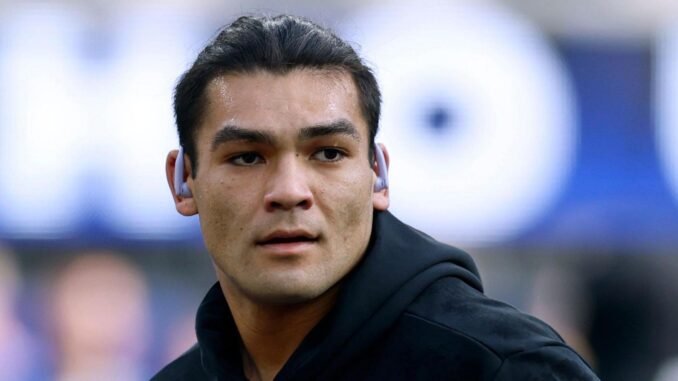
Puka Nacua: Gesture | Antisemitic Gesture | What Gesture Did He Make
Los Angeles Rams wide receiver Puka Nacua recently became the focus of widespread online criticism after a controversial gesture appeared during a livestream. The moment quickly went viral across social media platforms. As a result, many viewers labeled the action as antisemitic, which led to intense public debate.
Although Nacua did not intend to offend, the gesture carried historical and cultural meanings that many people found troubling. Consequently, the incident raised serious questions about athlete responsibility, online awareness, and the consequences of livestream culture.
This article explains what gesture Puka Nacua made, why it was considered antisemitic, and how he responded after the backlash intensified.
Who Is Puka Nacua?
Puka Nacua is one of the NFL’s rising stars. He plays wide receiver for the Los Angeles Rams and earned recognition for his explosive performances and consistent production. Moreover, fans admire his work ethic and team-first mentality.
Since entering the league, Nacua has built a positive public image. Therefore, the sudden controversy surprised many fans and analysts. Unlike on-field penalties or performance issues, this situation involved social awareness and cultural sensitivity.
As a result, the conversation quickly moved beyond football.
How the Controversy Started
The incident occurred during a livestream featuring Puka Nacua and popular online personalities Adin Ross and N3on (Mikyle Rafiq). During the broadcast, the group discussed potential touchdown celebrations that Nacua could use during NFL games.
At one point, Ross suggested a specific hand gesture. Nacua then repeated the gesture on camera. Additionally, he jokingly agreed to perform it after scoring a touchdown.
Clips from the livestream spread rapidly on X (formerly Twitter), TikTok, and Instagram. Shortly afterward, viewers began criticizing the gesture and calling it antisemitic.
What Gesture Did Puka Nacua Make?
Puka Nacua rubbed his hands together while looking at the camera. On its own, the motion appears simple. However, context plays a critical role in interpretation.
Online critics quickly associated the hand-rubbing motion with a long-standing antisemitic stereotype. Historically, extremist groups have used similar gestures to portray Jewish people as greedy or money-obsessed.
Therefore, although the action looked harmless to some viewers, others saw it as deeply offensive.
Why the Gesture Was Considered Antisemitic
Understanding the backlash requires cultural context. Certain gestures, memes, and symbols gain harmful meanings through repeated misuse. Over time, hand-rubbing motions have appeared in antisemitic cartoons and extremist internet content.
As a result, many Jewish advocacy groups and commentators viewed the gesture as reinforcing harmful stereotypes. Furthermore, the livestream format made the moment appear casual, which intensified criticism.
Importantly, critics did not accuse Nacua of intentional hate. Instead, they argued that ignorance does not remove impact. In modern digital spaces, symbols spread rapidly and cause harm even without malicious intent.
Why the Reaction Was So Strong
Several factors amplified the outrage.
1. High-Profile Athlete Status
Puka Nacua plays in the NFL, which gives him a massive platform. Therefore, his actions carry greater influence than those of an average social media user.
2. Rising Global Concerns About Antisemitism
In recent years, antisemitic incidents have increased worldwide. Consequently, public tolerance for stereotypes has dropped significantly.
3. Livestream Culture
Livestreams encourage spontaneous behavior. However, they also eliminate editing or reflection. As a result, mistakes become permanent digital records.
Public Reaction on Social Media
Social media users responded immediately. Some demanded accountability, while others defended Nacua by pointing to his lack of intent.
Meanwhile, advocacy groups emphasized the importance of education rather than punishment. Many fans asked the NFL to address the issue publicly.
Despite differing opinions, the conversation remained intense for several days.
Puka Nacua’s Apology and Response
Puka Nacua addressed the controversy directly and quickly. He released a public apology through social media.
In his statement, Nacua said he did not know the gesture had antisemitic meaning. Moreover, he explained that he never intended to offend Jewish people or promote stereotypes.
He also expressed remorse and emphasized that he stands against hate, racism, and discrimination in all forms. Importantly, he acknowledged the harm caused rather than dismissing concerns.
As a result, many critics accepted the apology, although discussion continued.
Los Angeles Rams and NFL Response
The Los Angeles Rams issued a statement supporting accountability and inclusion. Additionally, the organization reaffirmed its commitment to diversity and respect.
The NFL echoed similar sentiments. The league stated that it does not tolerate discrimination and expects players to represent the sport responsibly.
However, the NFL did not announce formal discipline. Instead, the focus remained on education and awareness.
Was the Gesture Used in a Game?
No. Puka Nacua did not perform the gesture during an NFL game. After learning about its meaning, he clarified that he would never use it on the field.
This clarification helped calm concerns about the gesture becoming normalized during broadcasts.
The Role of Intent vs. Impact
This incident highlights a broader issue in modern culture. Intent matters, but impact matters more.
While Nacua did not intend harm, the gesture still triggered pain for many viewers. Therefore, public figures must consider both perception and context.
Moreover, social media accelerates misunderstanding. A moment meant as humor can quickly become controversy.
Lessons for Athletes and Influencers
Several key lessons emerge from this situation.
Cultural Awareness Is Essential
Athletes operate on global stages. Therefore, understanding cultural symbols helps prevent harm.
Livestreams Require Caution
Unfiltered content carries risk. Public figures must remain alert even in casual settings.
Accountability Builds Trust
Nacua’s apology helped reduce tension. Acknowledging mistakes often matters more than defending intent.
Impact on Puka Nacua’s Career
So far, the controversy has not affected Nacua’s on-field role or contract status. Coaches and teammates continue to support him.
Nevertheless, the incident serves as a reminder that reputation extends beyond performance. Public behavior influences endorsements, fan trust, and legacy.
Why This Story Matters Beyond Football
This situation extends beyond the NFL. It reflects how digital culture intersects with real-world harm.
Gestures, memes, and jokes carry histories. When those histories involve discrimination, even unintentional repetition can hurt communities.
Therefore, this story encourages broader discussions about education, empathy, and responsible influence.
FAQs
What antisemitic gesture did Puka Nacua make?
Puka Nacua rubbed his hands together during a livestream. Critics linked the gesture to antisemitic stereotypes historically used in extremist content.
Did Puka Nacua mean to offend Jewish people?
No. Nacua stated that he did not know the gesture had antisemitic meaning and apologized after learning its impact.
Did the NFL punish Puka Nacua?
No formal discipline occurred. However, the NFL publicly condemned hate and emphasized education and awareness.
Did Puka Nacua perform the gesture in a game?
No. He clarified that he would not use the gesture on the field.
Why did the backlash escalate so quickly?
Social media spread the clip rapidly. Additionally, heightened sensitivity around antisemitism intensified public reaction.
Conclusion
The Puka Nacua antisemitic gesture controversy shows how quickly misunderstandings can escalate in the digital age. Although Nacua acted without malicious intent, the gesture carried harmful historical meaning.
Fortunately, his swift apology and acknowledgment helped prevent further damage. Ultimately, this incident serves as a reminder that awareness, education, and accountability matter—especially for public figures with global influence.