Introduction

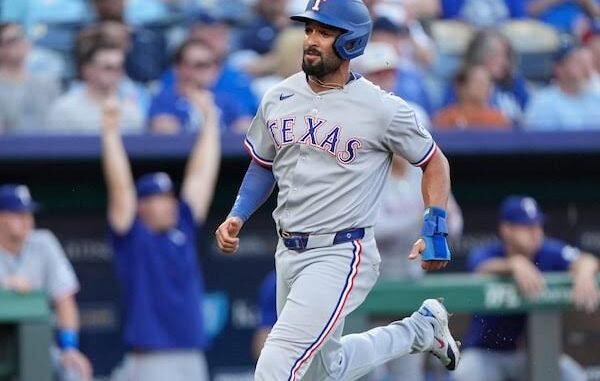
Marcus Semien is one of the most intriguing and multifaceted players in Major League Baseball — a veteran second baseman with elite defense, a big contract, and a recent blockbuster trade. The New York Mets have acquired him from the Texas Rangers, dealing away Brandon Nimmo. But what exactly makes Semien so valuable? To understand his appeal, one needs to analyze not only his traditional stats but also his advanced metrics from Baseball Savant, his contract structure, and how he fits into the Mets’ broader plans.
This article explores Semien’s background, his performance through the lens of sabermetrics (especially Savant), the details of his contract, and what the trade means for both the Mets and the Rangers.
Who Is Marcus Semien?
Marcus Semien, born on September 17, 1990, has carved out a durable, high-impact MLB career.
-
He made his MLB debut with the Chicago White Sox (2013–2014), played for the Oakland Athletics (2015–2020), spent a season with the Toronto Blue Jays (2021), and then signed a major contract with the Texas Rangers.
-
In December 2021, he inked a seven-year, $175 million deal with the Rangers, a commitment that runs through 2028.
-
Over his career (as of the date of the trade), Semien has played in 1,629 games, compiled a .253 batting average, hit 253 home runs, and driven in 801 RBIs.
-
Known for his durability, he has routinely accumulated large plate-appearance totals, being one of the most frequently-used players in several seasons.
The Trade: Mets Acquire Semien for Nimmo
In November 2025, the Mets and the Rangers agreed on a high-profile trade: Marcus Semien goes to New York; Brandon Nimmo goes to Texas.
Key points of the trade:
-
The Mets send outfielder Brandon Nimmo to the Rangers.
-
The Rangers, in return, get $5 million in cash from the Mets to partially offset Nimmo’s large contract.
-
Semien still has three years and about $72 million remaining on his contract.
-
Nimmo reportedly waived his no-trade clause to make this deal happen.
Why the Mets Did It: Defensive Upgrade & Flexibility
From a Mets perspective, there are several strategic reasons behind acquiring Semien:
-
Elite Defense:
Semien remains one of the best defensive second basemen in the league. In 2025, despite offensive struggles, he won his second Gold Glove, thanks largely to his range and consistency.According to advanced metrics, his fielding run value (FRV) is among the top infielders.
-
Run Prevention Focus:
The Mets’ front office, under David Stearns, has emphasized run prevention as a priority. Semien’s defensive excellence helps them shore up their infield and reduce opposing teams’ scoring. -
Contract Structure:
While Semien’s contract is not cheap, the Mets are taking on three years of control rather than Nimmo’s longer deal.This swap gives New York more flexibility. By offloading Nimmo’s remaining years, they mitigate long-term salary risk.
-
Lineup Balance:
Semien bats right-handed, which can help balance the Mets’ infield/offensive mix. -
Durability (Historically):
Despite the foot injury in 2025, Semien’s track record as an iron man — frequent plate appearances and games played — was a factor in the Mets’ evaluation.
Semien Through the Baseball Savant Lens
To really understand Semien’s value, it’s critical to look beyond traditional stats and dive into Baseball Savant metrics and sabermetrics. (Note: While exact Savant dashboards are proprietary, analysts use publicly available advanced stats to assess his performance.)
-
Defensive Metrics:
-
Fielding Run Value (FRV): This aggregates components like outs above average, catch probability, route efficiency, and more. In 2025, Semien posted a notably high FRV, underlining his defensive impact.
-
Outs Above Average: At second base, Semien was among league leaders, contributing significantly to his team’s defensive runs saved.
-
-
Offensive Sabermetrics:
-
In his 2023 MVP-caliber season, Semien produced a wRC+ of 128, demonstrating he was 28% above league average in run production.
-
However, in 2025, his offensive numbers regressed. According to analysis, opposing pitchers challenged him effectively with sinkers and cutters, and his swing-and-miss rate increased.
-
His barrel rate remained reasonably stable (around ~6.6%), suggesting he still makes quality contact, but perhaps not as consistently driving it for extra power.
-
-
Durability Metrics:
-
Semien has historically generated very high plate appearance totals — in 2022 and 2023, he led the league in plate appearances.
-
In 2023, he set an MLB record (regular season + postseason) for total plate appearances: 835.
-
-
Defensive Value Over Time:
-
Since 2023, his cumulative defensive value (via FRV) is among the top infielders, placing him in elite company.
-
Contract Risk & Reward
Any time a team trades for a veteran with years left on a big contract, there’s risk. Here’s how Semien’s contract shapes up, and what the Mets are betting on.
-
Remaining Contract:
Semien has three seasons and ~$72 million left on his contract. -
Salary Profile:
Reports suggest the Mets will pay $26 million in each of the next two seasons, then ~$20 million in the final year. -
Risk Factors:
-
Age: At 35, Semien is not young. Declines in bat speed, reaction, or durability are real possibilities.
-
Recent Offensive Regression: His offensive output has dipped since his peak 2023 season.
-
Injury Concern: He ended the 2025 season with a Lisfranc sprain and a fractured metatarsal in his left foot.
-
-
Reward Potential:
-
If his defense remains elite, he can provide significant value even if his bat is more average.
-
The Mets may view this as a better risk than carrying Nimmo’s contract for longer, especially given their run-prevention goals.
-
Should he rebound offensively, Semien could be a bridge veteran who helps stabilize the infield while younger pieces develop.
-
What the Trade Means for the Rangers
While the Mets are banking on Semien’s defense and remaining years, the Rangers also have rationale for making this move.
-
Roster Rebalancing:
By trading Semien, Texas opens second base for younger players like utilitymen Josh Smith or Ezequiel Durán. -
Outfield Upgrade:
They acquire Brandon Nimmo, a consistent outfielder with on-base skills. -
Financial Considerations:
The Rangers reduce long-term obligations and manage their payroll. The $5 million cash sent by the Mets helps offset the difference. -
Flexibility:
The trade gives Texas more room to retool around younger position players, especially after not tendering several players in recent moves.
Risks & Questions for the Mets
The trade is not without its skeptics. Here are some of the key risks and open questions for New York:
-
Can Semien’s Offense Rebound?
He’s struggled in the most recent seasons. If the bat doesn’t bounce back, his value may hinge too heavily on his glove. -
Health Concerns:
His foot injury in 2025 was serious. At his age, recovery and risk of re-injury are real. -
Lineup Implications:
Trading away Nimmo leaves a hole in the outfield. The Mets will need to fill that gap, potentially via free agency or internal options. -
Contract Pressure:
As his contract carries significant dollars, Semien will need to justify that investment. -
Legacy Considerations:
Will he be viewed as a mid-thirties reclamation project or a foundational piece for the Mets’ infield core?
Why Semien Still Matters: “Baseball Savant” Perspective
From the Baseball Savant viewpoint, Semien’s value transcends the box score. His ability to produce outs above average, cut off ground balls, and consistently make plays in the shift is quantifiable and valuable. Even if his bat has cooled, his defensive runs saved (DRS), outs above average (OAA), and other advanced metrics give him a floor of value that many aging veterans lack.
Moreover, his durability in past seasons (leading in plate appearances) demonstrates a resilience that teams covet. If he can maintain his defensive production and remain healthy, his contract could be a bargain relative to his impact.
The Bigger Picture: Mets’ Strategy & Long-Term Outlook
This trade is emblematic of a broader shift in the Mets’ strategy:
-
Defense-first Mindset: The Mets, under Stearns, seem serious about improving defense. Semien is a clear piece in that vision.
-
Roster Efficiency: By swapping a long-term outfielder contract for a three-year deal, they gain more control and flexibility.
-
Veteran Bridge: Semien could be a bridge while younger infield talent develops. Whether he’s a stop-gap or becomes a core piece depends on his performance.
-
Balancing Risk: The Mets are taking on risk, yes — but potentially more calculated and manageable risk than what they carried with Nimmo.
If things go well, Semien could help them prevent runs, stabilize second base, and contribute meaningfully both offensively and defensively. If not, the shorter contract limits long-term downside. Marcus Semien.
FAQs (Frequently Asked Questions)
Q1: Why did the Mets trade for Marcus Semien?
A1: The Mets acquired Semien mainly for his elite defense at second base and to align with their strategic focus on run prevention. Despite his recent offensive dip, his contract (three years left) provides the Mets with flexibility and veteran presence.
Q2: How much is left on Semien’s contract?
A2: Semien has approximately $72 million remaining over the next three seasons, per reports.
Q3: What did the Mets give up to get him?
A3: The Mets traded outfielder Brandon Nimmo to the Texas Rangers, plus sent $5 million in cash to offset part of Semien’s remaining salary.
Q4: Is Semien still a good defender according to advanced metrics?
A4: Yes. According to advanced metrics (like fielding run value, outs above average, etc.) — data often highlighted by Baseball Savant — Semien continues to be among the top defensive second basemen.
Q5: What are the risks for the Mets in this trade?
A5: Some of the key risks include his age (35), recent offensive regression, his injury in 2025 (Lisfranc sprain and fractured foot), and the financial commitment. If his bat doesn’t rebound, the Mets will rely heavily on his defense to justify the contract.
Q6: How will this trade affect the Rangers?
A6: For the Rangers, trading Semien frees up second base for younger talent, brings in Nimmo (an on-base outfielder), and gives them more roster flexibility. Financially, they also reduce a long-term obligation. Marcus Semien.
Conclusion
Marcus Semien’s move to the Mets is a high-stakes, high-reward transaction. For New York, it signals a serious commitment to bolstering defense and shoring up their infield. While his bat has cooled in recent seasons, his value via Baseball Savant’s defensive metrics remains strong — and his contract leaves room for upside without excessively long-term risk.
From the Rangers’ viewpoint, the trade makes sense too: they gain a reliable outfielder in Nimmo, reduce years on their payroll, and open a position for younger players to step in.
Ultimately, Semien’s Mets tenure will be defined by whether he can stay healthy, maintain his elite glovework, and perhaps rediscover some of the offensive spark that made him a top-tier All-Star in earlier seasons. If he does, the Mets’ bet could pay off handsomely.