
Introduction
March Madness bracket season is one of the most exciting times in sports — captivating fans around the world as they fill out predictions for the NCAA basketball tournament. Whether you’re a seasoned bracketologist or a first-time picker, understanding how the bracket works and having a strategy can make your tournament experience far more rewarding.
What Is a March Madness Bracket?
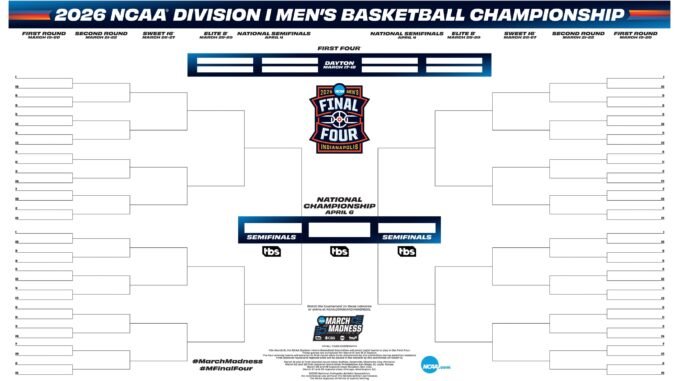
A March Madness bracket is a single-elimination prediction chart for the NCAA Division I basketball tournament. Participants must predict the winners of all matchups — from the first round to the national championship. The bracket is not only a test of basketball knowledge but also a cultural phenomenon watched by millions every March.
The basic format includes 68 teams — each seeded 1 through 16 in four regions — and players advance their picks through each round. The ultimate goal? Predict the national champion correctly.
The Origin and Cultural Impact of Bracket Pools
The origin of modern tournament bracket pools is a mix of legend and grassroots tradition. Some credit a Staten Island bar’s 1977 bracket pool as the first of its kind, while others point to a Kentucky postal worker who manually crafted brackets in 1978, spreading them nationwide.
Today, March Madness brackets are central to sports culture — inspiring office pools, online competitions, and even high-stakes challenges like the famous Berkshire Hathaway employee bracket hosted by Warren Buffett.
Why Filling Out a Bracket Is So Popular
People fill out brackets for several reasons:
-
Engagement: Every game becomes more exciting when your picks are at stake.
-
Community & Competition: Bracket leagues bring friends, families, and coworkers together in a shared challenge.
-
Strategy & Fun: Even if you’re not a basketball aficionado, the bracket empowers everyone to participate and use strategies to beat the crowd.
March Madness Bracket Tips for 2026
1. Understand Seeding Trends
Historically, No. 1 seeds dominate deep runs — with most national champions coming from the top seeds. Lower seeds sometimes produce Cinderella stories, but rarely go all the way.
2. Pick a Balanced Champion
Teams that excel in both offense and defense (such as those ranking highly in metrics like KenPom) are more likely to make a deep run.
3. Don’t Overdo Upsets
While upsets are fun and often happen in early rounds, filling your bracket with too many can increase risk. Aim for only a handful of high-value upsets.
4. Work Backwards From Later Rounds
Start by selecting Elite Eight or Final Four teams first, then work backward through your bracket — this helps streamline your strategy and prioritize high-point rounds.
5. Find Value in Public Analytics
Look at public pick rates and analytics to identify undervalued teams that could outperform expectations.
Common Bracket Mistakes to Avoid
-
Ignoring seed history: Forgetting that No. 16 seeds almost never beat No. 1 seeds can be a costly misstep.
-
Going extreme with upsets: Too many upset picks usually don’t produce higher bracket scores.
-
Neglecting defense: Teams with balanced stats outperform those with one-dimensional strengths.
Conclusion — Mastering Your March Madness Bracket
A March Madness bracket isn’t just a set of predictions — it’s a blend of sports knowledge, strategy, and luck. With the right approach — understanding brackets, seeding, and picking wisely — your 2026 bracket can be more competitive and fun. Whether you’re competing for bragging rights or big prizes, this guide has equipped you with the essentials to make smarter picks and enjoy the Madness to the fullest.


Leave a Reply