
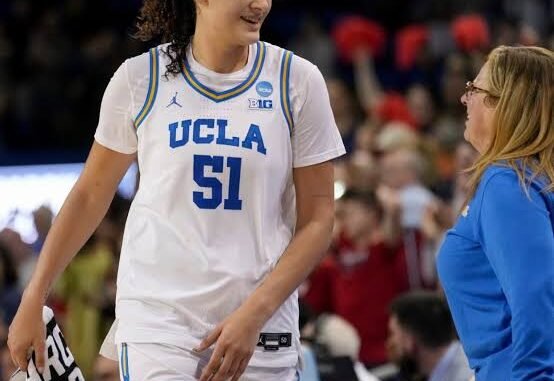
Lauren Betts: Struggles | Parents | Race | Mental Health | Sister Height
Lauren Betts has emerged as one of the most dominant forces in women’s college basketball. From leading the UCLA Bruins to a national championship to becoming a projected WNBA star, Betts’ rise has been remarkable. However, her journey hasn’t been smooth. Behind her success lies a story of personal struggles, mental health battles, family influence, and resilience.
In this comprehensive article, we explore Lauren Betts’ struggles, parents, race, mental health journey, and details about her sister, including height and basketball career.
Lauren Betts Early Life and Background
Born on October 15, 2003, in Spain, Lauren Betts grew up in a basketball-driven household. She later moved to the United States, where she developed into the No. 1 ranked recruit in her class.
Standing at 6-foot-7, Betts quickly became a standout center known for her elite defense, rebounding, and scoring ability.
Her early years weren’t just about basketball dominance—they were also shaped by frequent relocations due to her father’s professional career and the challenges of growing up exceptionally tall.
Lauren Betts Struggles: From Pressure to Growth
1. Early Struggles with Identity and Height
Lauren Betts has openly discussed how difficult it was growing up at 6’7”. As a child, she often felt different and struggled to fit in socially.
- She faced bullying because of her height
- She tried to “shrink” herself to avoid attention
- Confidence issues impacted her early development
These struggles are common among elite athletes, especially those who stand out physically from a young age.
2. College Transition Challenges
Betts initially joined Stanford but later transferred to UCLA. The transition wasn’t easy:
- Adjusting to a new system
- Managing expectations as a top recruit
- Handling performance pressure
At UCLA, she had to prove herself again, which added another layer of stress.
3. On-Court Struggles
Despite her dominance, Betts has faced difficult games where defenses limited her impact. For example, teams have successfully slowed her by denying the ball and applying physical pressure.
However, what separates Betts is her ability to adapt and respond, as seen in her dominant NCAA tournament performances.
4. Mental and Emotional Challenges
Perhaps the most significant struggles in Lauren Betts’ life have been off the court.
She has openly spoken about:
- Feeling overwhelmed
- Losing joy in basketball
- Emotional burnout
These struggles led to one of the most important turning points in her career—prioritizing mental health.
Lauren Betts Mental Health Journey
Lauren Betts has become a powerful voice for mental health awareness in sports.
Taking a Break
During the 2024 season, Betts stepped away from basketball for a short period to focus on her well-being.
This decision was crucial:
- It allowed her to reset mentally
- She returned stronger and more confident
- It highlighted the importance of self-care
Hospitalization and Therapy
Betts revealed she underwent a mental health hospitalization in 2024, showing how serious her struggles were.
She credits therapy and family support—especially her mother—for helping her recover.
Speaking Out Publicly
In essays and interviews, Betts has shared her journey with depression:
She described feeling like “the whole world was crashing.”
By speaking openly, she has:
- Helped reduce stigma around mental health
- Inspired other athletes
- Built a deeper connection with fans
Finding Joy Again
By 2025–2026, Betts rediscovered her love for basketball:
- Playing with confidence
- Embracing her identity
- Leading UCLA to historic success
Her journey shows that mental health struggles don’t define an athlete—they can strengthen them.
Lauren Betts Parents: Athletic Roots
Lauren Betts comes from a highly athletic family.
Father: Andy Betts
- Former professional basketball player
- Represented Great Britain and England
- Played across Europe and was NBA-drafted
His career heavily influenced Lauren’s basketball journey.
Mother: Michelle Betts
- Former volleyball player
- NCAA champion at Long Beach State
Michelle has been a key emotional support system for Lauren, especially during her mental health struggles.
Family Influence
The Betts family is deeply rooted in sports:
- Competitive environment growing up
- Strong emphasis on discipline and resilience
- Emotional support during difficult times
Even after their parents’ divorce, the family maintained a supportive structure.
Lauren Betts Race and Ethnicity
Lauren Betts is of mixed ethnic background:
- Her father is British (European heritage)
- Her mother is American
While she is primarily identified as American, her upbringing in Spain and multicultural family background have shaped her identity.
Her diverse background has contributed to:
- A global perspective
- Adaptability
- Cultural awareness
Lauren Betts Sister: Height and Basketball Career
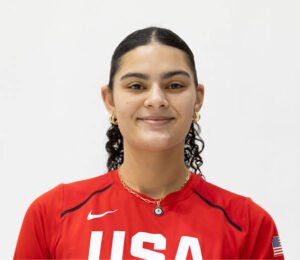
Lauren Betts’ younger sister, Sienna Betts, is also a rising basketball star.
Sienna Betts Height
- Stands at 6 feet 4 inches
Basketball Journey
- Five-star recruit
- McDonald’s All-American MVP
- Joined UCLA to play alongside Lauren
Sibling Connection
The Betts sisters share a unique bond:
- Both play for UCLA
- Strong on-court chemistry
- Mutual support system
Playing together at UCLA has been described as a “special experience” for both siblings.
Lauren Betts Career Success Despite Struggles
Despite her challenges, Lauren Betts has achieved incredible success:
College Achievements
- First-team All-American
- Defensive Player of the Year
- Big Ten Player of the Year
- NCAA Champion and Final Four Most Outstanding Player (2026)
Playing Style
Betts is known for:
- Elite rim protection
- Efficient scoring
- Dominant rebounding
- Defensive leadership
Her size and skill set make her one of the most unique players in college basketball.
Lauren Betts’ Impact Beyond Basketball
Betts’ story goes beyond stats and awards.
Mental Health Advocacy
She has become a role model for:
- Athletes dealing with depression
- Young players facing pressure
- Anyone struggling with self-identity
Inspiring the Next Generation
Her willingness to share her struggles has:
- Normalized mental health conversations
- Encouraged athletes to seek help
- Shifted the culture in sports
What Makes Lauren Betts Unique?
Lauren Betts stands out not just for her physical dominance but for her emotional resilience.
Key traits:
- Authenticity – Open about struggles
- Resilience – Overcame mental health challenges
- Leadership – Leads by example
- Growth mindset – Constantly improving
Future Outlook
With her recent success, Lauren Betts is expected to be a top pick in the WNBA Draft.
Her future looks bright:
- Potential franchise player
- Continued mental health advocacy
- Growing global influence
As she continues her journey, Betts represents a new generation of athletes—talented, self-aware, and fearless in speaking their truth.
FAQs
1. What struggles did Lauren Betts face?
Lauren Betts faced bullying due to her height, performance pressure, and significant mental health challenges, including depression and hospitalization.
2. Who are Lauren Betts’ parents?
Her parents are Andy Betts, a former professional basketball player, and Michelle Betts, a former NCAA volleyball champion.
3. What is Lauren Betts’ race?
Lauren Betts has a mixed background, with a British father and an American mother, giving her a diverse cultural identity.
4. How tall is Lauren Betts’ sister?
Her sister Sienna Betts is 6 feet 4 inches tall and also plays basketball at UCLA.
5. Did Lauren Betts struggle with mental health?
Yes, she has openly discussed her battle with depression, took time off basketball, and underwent therapy and hospitalization to recover.
6. What makes Lauren Betts special?
Her combination of elite basketball talent and openness about mental health makes her a unique and inspiring athlete.
Conclusion
Lauren Betts’ story is one of perseverance, growth, and courage. From struggling with identity and mental health to becoming a national champion and role model, her journey is deeply inspiring.
Her willingness to confront challenges head-on—both on and off the court—sets her apart as not just a great player, but a powerful voice in modern sports.


Leave a Reply