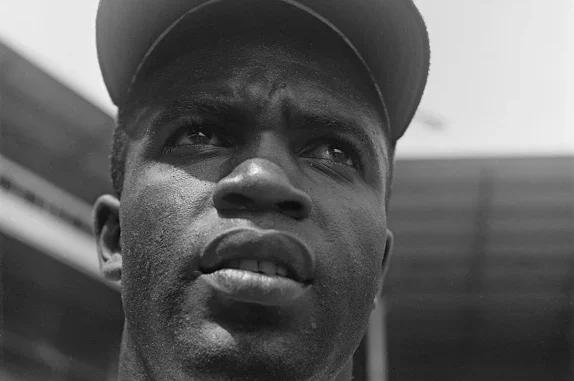
Jackie Robinson is one of the most influential figures in baseball history and American civil rights. His courage and talent not only transformed the sport but also helped challenge segregation in the United States.
Who Was Jackie Robinson?
Jack Roosevelt “Jackie” Robinson was born on January 31, 1919, in Cairo, Georgia, USA. He grew up in a family that faced economic hardship but nurtured his athletic talent across multiple sports. Robinson excelled in football, basketball, track, and especially baseball before joining professional leagues.
Robinson made history on April 15, 1947, when he became the first Black player in modern Major League Baseball (MLB) with the Brooklyn Dodgers. This groundbreaking moment ended decades of racial segregation in professional baseball, often referred to as breaking the MLB’s “color barrier.” Robinson played for the Dodgers through the 1956 season, earning Rookie of the Year, MVP honors, multiple All-Star selections, and a World Series championship along the way.
After baseball, he became a powerful voice in the civil rights movement, working with organizations like the NAACP and speaking out against racial injustice.
Famous Jackie Robinson Quote
Jackie Robinson is remembered not just for his athletic performance but for his profound reflections on life and equality.
“A life is not important except in the impact it has on other lives.”
— Jackie Robinson
This quote captures the essence of Robinson’s legacy: a belief that true success comes from how you influence and uplift others. It’s one of his most-cited reflections and is often featured on memorials and tributes dedicated to him.
Other powerful quotes attributed to Robinson include:
-
“I’m not concerned with your liking or disliking me… All I ask is that you respect me as a human being.”
-
“Life is not a spectator sport…”
Each of these lines reflects his courage, dignity, and desire for social justice.
What Jackie Robinson Is Famous For
Jackie Robinson’s fame comes from both his historic athletic achievements and his courage in confronting racism:
-
Breaking Major League Baseball’s color barrier in 1947.
-
Outstanding baseball career: MVP awards, All-Star player, and World Series champion.
-
Civil rights activism: After retiring, he used his public platform to push for equality and justice.
He helped pave the way for future generations of Black athletes and remains a symbol of progress in American sports and society.
Jackie Robinson’s Death
Jackie Robinson passed away on October 24, 1972, at age 53. He died from a heart attack at his home in Stamford, Connecticut.
Despite his premature death, his legacy continued growing. In 1984, he was posthumously awarded the Presidential Medal of Freedom, the highest civilian honor in the United States.
Legacy and Lasting Impact
Jackie Robinson’s influence extends well beyond baseball. MLB honors him every year on April 15, known as Jackie Robinson Day, when every player wears his retired number 42. This tradition celebrates both his athletic brilliance and his role in advancing civil rights.
Robinson’s life story is frequently taught in schools, featured in documentaries and movies, and continues to inspire athletes and activists around the world.