Who Was Lou Gehrig?
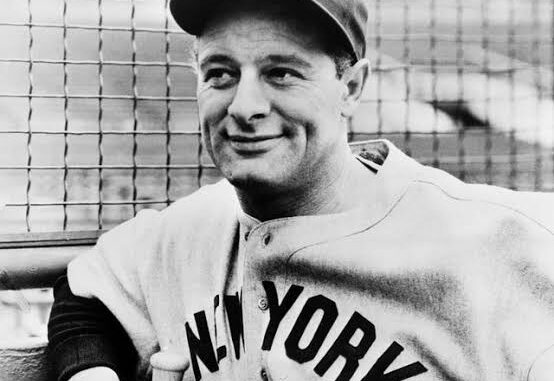
Lou Gehrig was born on June 19, 1903, in New York City. He spent his entire Major League Baseball career with the New York Yankees and became one of the most productive hitters in baseball history.
Gehrig played first base for the Yankees from 1923 to 1939 and helped establish one of the most dominant dynasties in sports history. During his career, he won:
- 2 American League MVP Awards
- 6 World Series Championships
- 7 All-Star selections
- The 1934 Triple Crown
- A .340 career batting average
- 493 home runs
- 1,995 RBIs
Perhaps most impressively, Gehrig played in 2,130 consecutive games, a record that stood for more than 50 years until it was broken by Cal Ripken Jr..
Why Is Lou Gehrig Called the Iron Horse?
The nickname “Iron Horse” reflected Gehrig’s extraordinary durability.
From June 1925 through April 1939, he appeared in 2,130 consecutive games. During an era with limited sports medicine and grueling travel schedules, this achievement was nearly unimaginable.
His streak began after he replaced Wally Pipp at first base in 1925 and quickly became one of baseball’s most reliable stars. June 2 remains significant because it marks the date he became the Yankees’ starting first baseman, beginning that legendary streak.
What Is Lou Gehrig Day?
Lou Gehrig Day is an annual Major League Baseball observance held on June 2.
MLB officially established the day in 2021 to honor Gehrig’s legacy and raise awareness for ALS. The event is celebrated across all 30 MLB teams and has become one of only a few league-wide player commemorations. Gehrig joins legends such as Jackie Robinson and Roberto Clemente in receiving an annual MLB-wide day of recognition.
Why Was June 2 Chosen?
June 2 was selected because it represents two pivotal moments in Gehrig’s life:
- June 2, 1925 – The day he became the Yankees’ starting first baseman.
- June 2, 1941 – The day he passed away from ALS complications.
This unique connection makes June 2 the perfect date to celebrate his baseball achievements while remembering his fight against ALS.
MLB’s Lou Gehrig Day Traditions
Each year, MLB organizes special activities to commemorate Lou Gehrig Day.
These include:
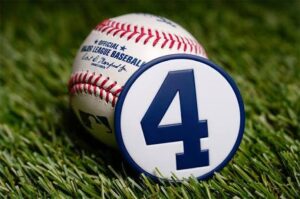
- Players wearing special Number 4 decals
- “4-ALS” wristbands
- On-field ceremonies
- Recognition of ALS patients and families
- Fundraising initiatives for ALS research
- Educational campaigns about ALS awareness
The annual observance has become a major platform for supporting those affected by ALS and promoting research aimed at finding a cure.
The Significance of Number 4
When discussing Lou Gehrig, Number 4 holds special meaning.
Gehrig wore Number 4 because the Yankees assigned uniform numbers based on batting order positions. Since he often batted fourth behind Babe Ruth, he received Number 4.
Over time, the number became synonymous with excellence, leadership, and perseverance.
The First Retired Number in Baseball
On July 4, 1939, the Yankees retired Gehrig’s Number 4 during an emotional ceremony at Yankee Stadium.
This was the first retired uniform number in Major League Baseball history. The ceremony remains one of the most iconic moments in sports history.
Today, Number 4 remains permanently retired by the Yankees and symbolizes Gehrig’s extraordinary impact on baseball.
Lou Gehrig’s Disease: Understanding ALS
ALS stands for Amyotrophic Lateral Sclerosis, a progressive neurodegenerative disease affecting nerve cells in the brain and spinal cord.
The condition gradually destroys the body’s ability to control muscles, leading to:
- Difficulty walking
- Muscle weakness
- Trouble speaking
- Difficulty swallowing
- Respiratory failure
There is currently no cure for ALS. Although treatments can help manage symptoms, the disease remains fatal.
Why Is ALS Called Lou Gehrig’s Disease?
The disease became widely known as Lou Gehrig’s Disease after Gehrig was diagnosed in 1939.
His diagnosis shocked the sports world because he was viewed as one of the strongest and most durable athletes ever.
As his condition worsened, Gehrig became a symbol of courage and resilience. His public battle brought unprecedented awareness to ALS, and his name remains closely linked to the disease today.
The Famous “Luckiest Man” Speech
One of the most memorable moments in sports history occurred on July 4, 1939.
Standing before thousands of fans at Yankee Stadium, Gehrig delivered what became known as the “Luckiest Man” speech.
Despite facing a terminal diagnosis, he expressed gratitude for his life, teammates, family, and fans.
His statement that he considered himself “the luckiest man on the face of the earth” remains one of the most inspiring speeches ever delivered by an athlete.
The speech transformed Gehrig from a baseball superstar into a symbol of courage for generations.
Lou Gehrig’s Baseball Achievements
While many people know Gehrig because of ALS, his baseball accomplishments alone would have guaranteed Hall of Fame status.
Career Highlights
- 2,130 consecutive games played
- 493 career home runs
- 1,995 RBIs
- .340 batting average
- 6 World Series titles
- 2 MVP awards
- Triple Crown winner
- Hall of Fame induction in 1939
These achievements place him among the greatest players in baseball history.
Lou Gehrig Day 2026
The 2026 edition of Lou Gehrig Day marked the sixth annual league-wide observance.
Across Major League Baseball, teams participated in ceremonies honoring ALS patients and their families. Players, managers, and coaches wore commemorative Number 4 decals and “4-ALS” wristbands to raise awareness and support ongoing research efforts.
The annual event continues to grow in significance, bringing together baseball fans, players, medical professionals, and advocacy groups in the fight against ALS.
Why Lou Gehrig’s Legacy Still Matters
Lou Gehrig’s impact extends far beyond baseball.
His story teaches lessons about:
- Perseverance
- Humility
- Leadership
- Courage
- Gratitude
His legacy continues to inspire athletes, patients, caregivers, and families around the world.
Every year, Lou Gehrig Day reminds us not only of his incredible baseball career but also of the ongoing need for ALS research and support for those living with the disease.
Conclusion
Lou Gehrig remains one of the most beloved figures in baseball history. His Number 4 jersey became the first retired number in Major League Baseball, his achievements established him as a Hall of Fame legend, and his courageous battle with ALS transformed him into an enduring symbol of hope.
Lou Gehrig Day, observed every June 2, ensures that future generations remember both the player and the man behind the legacy. Through awareness campaigns, fundraising efforts, and league-wide tributes, MLB continues to honor Gehrig while supporting the search for a cure for ALS.
More than eight decades after his passing, Lou Gehrig’s influence remains as powerful as ever—proof that true greatness extends far beyond the playing field.