Tara Lipinski: Why Can’t Spin | Did She Win Any Olympic Medals
Tara Lipinski is one of the most iconic names in American figure skating — but with fame often comes curiosity, debate, and sometimes misinformation. Fans and critics alike often ask: why can’t Lipinski spin? and did she win Olympic medals? This article will answer these questions with detailed history, insights from her career, skating technicalities, and her legacy.
Early Life: Serena of the Ice
Tara Kristen Lipinski was born on June 10, 1982, in Philadelphia, Pennsylvania, USA, and she began skating at a very young age. Her competitive journey exploded in her early teens — and rapidly thrust her into global spotlight.
Lipinski started on roller skates before transitioning to ice skating, mastering the fundamentals that would later define her “go hard and fast” style. By age 12, she became the youngest gold medalist at the U.S. Olympic Festival, and this was just the beginning.
Olympic Glory: Yes, She Did Win Olympic Medals
One of the most common questions people ask is: Did Tara Lipinski win any Olympic medals? — and the answer is a resonating YES.
1998 Winter Olympics — Nagano, Japan
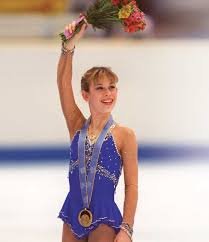
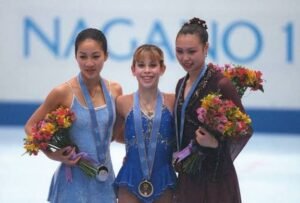
At the 1998 Winter Olympic Games in Nagano, Tara Lipinski won the Gold Medal in the women’s figure skating event at just 15 years old, making her:
-
The youngest female singles figure skater to ever win Olympic gold
-
The youngest individual champion in Winter Olympic history at that time
-
One of the most dramatic Olympic victories in figure skating history
Her performance included seven triple jumps and a signature triple loop–triple loop combination, a moment that dramatically defined her Olympic victory and remains a stunning achievement in the sport.
But What About Spins?
Here’s where the confusion often begins.
Tara Lipinski’s Skating Style & Spins — The Misconception Explained
Tara Lipinski did win Olympic gold — that’s not in question — but one lingering topic of debate among fans and critics involves her spins.
She Can Spin — Just Like Every Competitor
Spins are one of the required elements in competitive figure skating. All Olympic-level skaters — including Lipinski — perform spins in competition. So the idea that “Tara can’t spin” is a misconception.
Here’s the reality:
-
Spins are evaluated based on levels of difficulty, change of foot, speed, and position changes
-
Lipinski was known more for her jumps, especially her groundbreaking triple loop–triple loop combination and footwork
-
Her spins were proficient enough to satisfy judging standards and contribute to her overall total score, but they were not her signature strength compared to others who specialized in high-level spin difficulty
Spins require precision, core balance, and technique — and while Lipinski performed them in her programs, she was better known for her speed, jump execution, and overall program intensity.
What Made Tara Exceptional?
Tara Lipinski’s Olympic victory wasn’t just about her spins or jumps — it was about delivering under pressure.
1. Consistency Under Pressure
At the 1998 Olympics, several competitors struggled — including her fierce rival Michelle Kwan — but Lipinski delivered a clean and powerful free skate. This consistency gave her a scoring advantage.
2. Technical Skill
Lipinski wasn’t just spinning — she was landing multiple triple jumps, a rare feat for her age at that time.
3. First Female to Land a Signature Jump
She became the first woman to land a triple loop–triple loop jump combination in competition, a standout technical achievement that forever tied her name to the sport’s history.
Why Some Fans Criticize Her Spins
The claim that Lipinski can’t spin likely stems from a few overlapping ideas:
1. Skating Style Preference
Some fans favor skaters with dramatic level 4 spins and flashy spin transitions. Lipinski focused more on jumps and speed, so compared to modern programs that emphasize intricate spins, her spins can appear less spectacular.
2. Evolution of the Sport
Figure skating has evolved a lot since 1998:
-
Today’s skaters do more spins with faster rotations and more position changes
-
Technical requirements are more detailed
-
Modern judging (IJS) values spins differently than the old 6.0 system — which was used during Lipinski’s competitive era
This evolution means that what was excellent in 1998 — and enough to win Olympic gold — might look ordinary by today’s standards.
3. Misleading Online Commentary
Skating forums and debates often exaggerate topics like spins. Some conversations use outdated or personal opinions rather than technical skating criteria, causing misinformation to spread.
Competitive Highlights Beyond Olympic Medals
Tara Lipinski’s achievements are not limited to just one Olympic victory. Here are some other milestones:
World and National Titles
-
1997 World Figure Skating Champion — youngest ever at age 14
-
1997 U.S. National Champion
-
Two-time Grand Prix Final Champion (1997 and 1998)
Professional Shows & Touring
After turning professional (right after the Olympics), Lipinski continued to perform and tour with popular skating shows, including Stars on Ice and Ice Wars.
Hall of Fame
She became the youngest inductee in the U.S. Figure Skating Hall of Fame — a testament to her impact on the sport.
Life After Competition: Analyst and Public Figure
After retiring from competitive skating, Lipinski embarked on a successful broadcasting career.
-
She became a figure skating commentator and analyst for NBC Sports
-
She has covered multiple Olympic Games, including the 2022 Beijing Olympics and the ongoing 2026 Milano Cortina Olympics
Lipinski’s vibrant media presence has made her one of the most recognizable voices in figure skating today.
Legacy in Skating
Tara Lipinski’s influence on figure skating goes beyond medals and spins — it’s about inspiring a generation.
Youngest Champion Records
Lipinski’s record as the youngest Champion — both in Worlds and Olympics — is historically significant, especially considering age eligibility rules were later changed in the sport. That means her specific records might never be broken.
Impact on Women’s Skating
Her Olympic performance remains a defining moment — one that created broader global interest in American figure skating.
FAQs About Tara Lipinski
Did Tara Lipinski win any Olympic medals?
Yes — Tara Lipinski won the Gold Medal in women’s figure skating at the 1998 Winter Olympics in Nagano, Japan, at age 15.
Why do some people think Tara Lipinski can’t spin?
This is a misconception. While Lipinski performed spins in her programs, she was most recognized for her jumps and speed, not for dramatic spins — which can make her spins seem understated compared to later skaters. Spins were part of her competitive programs and judged accordingly.
Is Tara Lipinski’s Olympic gold medal still remembered today?
Absolutely. Her victory is still celebrated — in fact, her Olympic anniversary continues to be covered in media and fan circles, and she remains a respected figure skating analyst.
Does she still skate now?
Tara Lipinski retired from competitive skating in 1998 and from professional shows by 2002. She now works primarily in television and media rather than competitive skating.
Has figure skating changed since Lipinski’s era?
Yes — judging systems and technical standards have evolved. Modern skaters are expected to include highly complex spins and jumps, which changes how fans compare current athletes to legends like Lipinski.
Final Verdict — Reality vs Rumor
Tara Lipinski can spin, and she did spin in competition — but her strengths were her jumps, consistency, and competitive mindset. She did win Olympic medals — in fact, she won gold, and that Olympic victory stands as one of the most remarkable achievements in figure skating history.