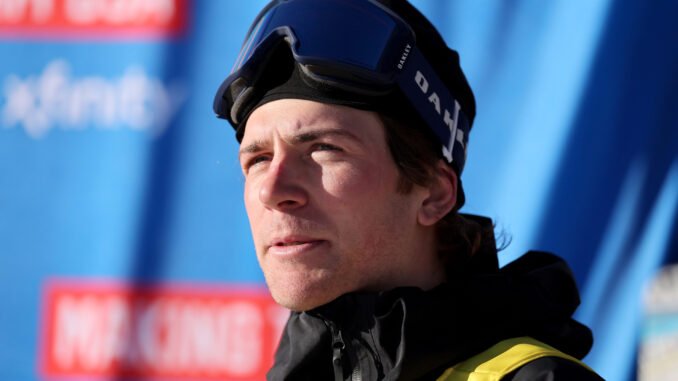
Hunter Hess: What He Said | Parents | Statement | Comments | Age

In the spotlight at the 2026 Winter Olympics, American freestyle skier Hunter Hess became one of the most talked-about athletes — not just for his athleticism but for remarks that ignited widespread online debate. From heartfelt quotes about representation to sharp public reactions, this is the complete story of what Hunter Hess said, who he is, how old he is, what his parents have said about him, and why his comments have sparked both support and criticism.
Who is Hunter Hess?
Hunter Hess is a 27-year-old American freestyle skier from Bend, Oregon competing in the halfpipe event for Team USA at the 2026 Winter Olympic Games in Milan-Cortina. Born on October 1, 1998, Hess has been passionate about skiing almost his entire life, starting at just age three when his mother introduced him to the sport.
A graduate of Summit High School, Hess honed his skills with the Mt. Bachelor Sports Education Foundation (MBSEF) and eventually earned his spot on the U.S. Freeski Halfpipe Team in 2017. Before reaching the pinnacle of winter sports, he overcame injuries that sidelined him from the 2022 Winter Olympics, further fueling his Olympic ambitions.
Hunter Hess’ Age and Early Life
At 27 years old, Hunter Hess is in the prime of both his athletic career and public spotlight — and that dual focus has contributed to the attention he’s receiving at the 2026 Winter Games. Born and raised in Bend, Oregon, Hess turned what began as weekend skiing with friends into a professional halfpipe career.
Standing tall not just in stature but in achievement, Hess has repeatedly podiumed in major competitions, including World Cup events and X Games prior to the Olympics.
What Did Hunter Hess Say at the Olympics?
The pivotal moment came during an interview at the 2026 Winter Olympics when Hess was asked what it meant to wear the Team USA uniform and represent the United States on the world stage.
In a statement that quickly went viral, Hess said:
“It brings up mixed emotions to represent the U.S. right now. It’s a little hard — there’s obviously a lot going on that I’m not the biggest fan of, and I think a lot of people aren’t. Just because I’m wearing the flag doesn’t mean I represent everything that’s going on in the U.S.”
Instead, Hess emphasized that he was representing his friends, family, and the positive aspects of America he believes in — a nuanced stance that combined personal conviction with national competition.
Why Were His Comments Controversial?
Mixed Reactions Online
Hess’ remarks instantly stirred debate online, drawing both support and criticism. While some applauded his honesty and reflection on complex issues, others felt it was inappropriate to express political sentiment on the Olympic stage — a platform traditionally viewed as apolitical.
Criticism from Olympic Icons
Among the sharpest responses came from Mike Eruzione, legendary captain of the 1980 “Miracle on Ice” U.S. hockey team. Eruzione took to social media to denounce Hess’ remarks, arguing that if an athlete doesn’t feel they represent the country, they should reconsider wearing the Team USA uniform.
He wrote:
“Then don’t put on the USA uniform maybe just put on for family and friends — some athletes just don’t get it.”
Critics echoed this sentiment, claiming that competing under the flag inherently means honoring one’s country regardless of personal reservations.
Support for Hess’ Perspective
Despite tough pushback, many fans and followers defended Hunter Hess’ right to express his feelings — especially in a social climate marked by widespread debate over national and global issues. Supporters highlighted that athletes, like any public figures, bring their personal values and views to the forefront, and that acknowledging “mixed emotions” doesn’t diminish one’s dedication to sport or country.
Some observers pointed out that acknowledging nuance — both pride and concern — could inspire deeper conversation about what it means to represent one’s nation in a complicated era.
What Did Hunter Hess Mean by His Statements?
Hess’ comments were rooted in a desire to speak honestly about the complex feelings many people have today — especially when global and domestic issues dominate headlines.
By saying that wearing the flag doesn’t automatically mean endorsing every U.S. policy or action, Hess positioned himself as representing individual values, chosen with intention. He clarified his representation was more about personal integrity and those closest to him than a blanket endorsement of the U.S. government.
What Has Hunter Hess’ Family Said?
While Hunter Hess hasn’t publicly issued lengthy official statements beyond his remarks at the Olympics, media coverage has touched on his background and family support.
His mother, Anno Hess, who introduced him to skiing as a child, has described his love for the sport and adventurous spirit long before the competitive achievements. She is quoted describing his early days jumping and flipping on skis, reflecting a deep family connection to his athletic journey.
Beyond these reflections, most commentary from family circles has centered on pride in Hess’ accomplishments, especially after overcoming injury setbacks and earning his spot on the Olympic team.
How Has the Public Reacted?
Social Media Response
Reactions on platforms such as X (formerly Twitter) were sharply divided. Some viewers supported Hess, saying athletes should be allowed to express personal values and perspectives. Others felt that representing one’s country at the Olympics requires unwavering national pride, regardless of political debate.
Commenters who criticized Hess often suggested his remarks could undermine the unity and spirit of international competition.
Sports Commentary
Sports analysts pointed out that while Hess’ comments may be controversial, they reflect a broader trend of athletes speaking on issues beyond their sport — including social justice, national policy, and identity. This follows a growing history of athlete activism on the world stage.
Hunter Hess’ Athletic Achievements
Before the Olympics controversy, Hess’ career was already remarkable:
-
Multiple World Cup podium finishes and top-10 placements.
-
Bronze medals at the X Games in consecutive years.
-
A key figure in freeskiing communities and ski filmmaking projects.
His competitive record made him a strong contender in the halfpipe event heading into Milan-Cortina.
FAQs (Frequently Asked Questions)
1. How old is Hunter Hess?
Hunter Hess was born on October 1, 1998, making him 27 years old during the 2026 Winter Olympics.
2. What did Hunter Hess say about representing the U.S.?
Hess said that representing the United States brought “mixed emotions” and noted that wearing the flag doesn’t mean endorsing everything the country stands for.
3. Why were his comments controversial?
Some critics argued that athletes competing for Team USA should unambiguously represent the country, while supporters defended his right to express personal sentiments.
4. What has Hunter Hess’ family said about him?
His mother shared early reflections on his skiing journey, celebrating his love for the sport and dedication.
5. What are Hunter Hess’ top career achievements?
Hess earned multiple World Cup podiums and bronze medals at the X Games and has become a respected figure in freestyle skiing and ski filmmaking.
Conclusion
Hunter Hess’ story extends beyond the halfpipe — it’s about identity, representation, and the power of personal expression on the global stage. At the 2026 Winter Olympics, his comments sparked a worldwide conversation about what it means to represent one’s nation with sincerity and complexity.
From his early days on the slopes of Bend, Oregon, to the Olympic spotlight in Milan-Cortina, Hess continues to be a compelling figure — not just as an athlete, but as a voice in sport and society.