Introduction

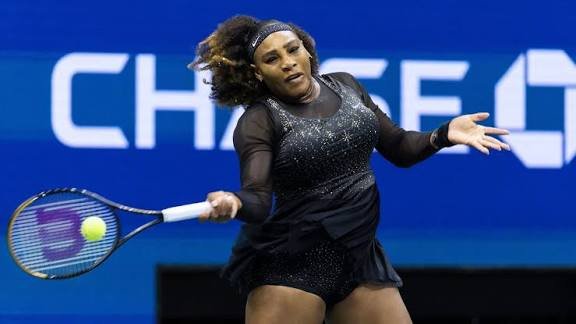
The name Serena Williams rings like a thunderclap in the world of tennis. With 23 Grand Slam singles titles, a career spanning decades, and a dominance that shaped women’s sport, her legacy is firmly cemented. Yet in December 2025, reports emerged that she had re-entered the anti-doping testing pool — a step required for any professional aiming to return to sanction-ed competition.
That move reignited global speculation about a potential comeback. But Serena quickly cooled expectations, posting emphatically on social media: “Omg yall I’m NOT coming back. This wildfire is crazy.”
In this article, we take a comprehensive look at:
-
her extraordinary Grand Slam history
-
patterns of comeback and hiatus throughout her career
-
controversies and scrutiny around doping
-
what the 2025 testing-pool re-entry actually means
-
and what the future might hold for the tennis legend
Grand Slam Legacy: A Career for the Ages
Serena Williams’s track record is the stuff of legend. Across a career that spanned nearly three decades, she accumulated 23 Grand Slam singles titles — including multiple wins at all four majors: Wimbledon, the US Open, the Australian Open, and the French Open.
Beyond singles, her career includes successes in doubles alongside her sister, and other WTA titles — underscoring dominance, versatility, and longevity.
Her final competitive match came at the 2022 US Open. However, Serena described her “retirement” not as an ending, but as an “evolution away from tennis,” signalling a shift to other life priorities rather than a definitive career closure.
Her Grand Slam record and overall achievements stand tall — possibly among the greatest careers in tennis history.
Comeback History & Return Speculations
Serena has taken breaks before — notably around pregnancy — and yet returned to compete at the highest level. Her resilience, combined with her elite talent, has often led to spectacular comebacks.
The latest chapter began in late 2025: she entered the registered anti-doping testing pool maintained by International Tennis Integrity Agency (ITIA), a procedural requirement for any player who might return to sanctioned competition.
But crucially — and widely covered — Serena immediately denied any comeback intentions. Her message was unambiguous — the world should not read too much into the move.
So, what does this mean?
-
Procedural eligibility, not promise of return. Being in the testing pool simply keeps options open; it does not confirm a comeback.
-
Possible explanations: Some view it as a strategic safeguard — if Serena changes her mind, she’s already eligible. Others see it as a formality or a way to maintain visibility.
-
Public denial remains firm: Her own statement strongly suggests no intention of returning — at least for now.
Doping, Testing and Controversies
The 2025 development cannot be divorced from the long-standing scrutiny surrounding doping and anti-doping regulation in tennis — and how it affects high-profile players like Serena.
Past Scrutiny and Her Voice
Serena has publicly discussed anti-doping procedures — highlighting her belief she was subjected to more frequent drug tests than the average player.
Some critics pointed to her formidable physique and athletic prowess as fodder for allegations of performance-enhancing drug use.
Importantly: despite the scrutiny, Serena never tested positive for banned substances in her career.
She has also voiced concern over perceived double standards. In 2025, in light of doping suspensions for male players like Jannik Sinner, Serena remarked that had she committed a similar offense during her career, she would have likely faced a 20-year ban and been stripped of her titles.
What Does 2025’s Re-entry into the Doping Pool Actually Mean?
Given her public denial, it is important to unpack what re-entering the ITIA testing pool legally implies — and what it does not guarantee.
What it does mean
-
Serena has made herself available for out-of-competition testing — a prerequisite for re-entry into professional competition under anti-doping rules.
-
Technically, if she stays in the pool for the required period (six months of whereabouts and compliance), she would regain eligibility to enter sanctioned tournaments.
What it does not mean
-
It does not mean she has committed — or is committed — to a return. Her own public statement rules that out, for now.
-
It does not guarantee participation in any specific tournaments, Grand Slams, or even doubles matches. Being eligible and actively participating are very different.
The Shadow of Doping – Reality vs Allegations
The world of professional tennis has seen high-profile doping cases, but such cases among top female players like Serena remain rare. The history of doping reveals that accusations can deeply stain reputations, even if later disproven.
In Serena’s case:
-
She never tested positive.
-
Yet suspicions and accusations — often based on physique, performance, or frequency of tests — hung around her career.
-
Her candid remarks about unequal treatment reflect a broader dialogue: women’s sports, media narratives, and the sometimes harsh spotlight on female athletes.
The 2025 decision to re-enter the testing pool might reignite some of that scrutiny. But legally and reputationally, it remains just a step — not a confirmation of wrongdoing or even of return.
Why Fans & Media Are Reacting — And What It Says About Serena’s Legacy
The reaction to the 2025 testing-pool re-entry reveals a lot about Serena’s influence:
-
Enduring legacy: Even years after stepping away, the mere possibility of a return stirs global interest — a testament to how rare and exceptional her dominance was.
-
Symbolic value: Serena represents more than tennis excellence — she is a symbol of resilience, empowerment, and longevity. The conversations around her echo beyond sport.
-
Adaptive narrative: From Grand Slam champion to mother, investor, public figure — her evolution beyond tennis reflects a broader trend of athletes embracing multiple roles.
Yet, there’s a cautionary note: in a world where doping allegations have marred reputations (even wrongly), every procedural move — like returning to a testing pool — can be over-interpreted.
What’s Next? Potential Scenarios for Serena in 2026 and Beyond
Given the current circumstances and her public stance, here are possible futures for Serena Williams (beyond speculation):
-
Remain retired, but keep eligibility open: She may have re-entered the pool simply to keep the option open — without any intention to play.
-
One-off or exhibition matches: Instead of full tour return, she might opt for selective appearances — exhibitions, charity matches, or special doubles events.
-
Focus on off-court endeavours: With her investment firm, family, and personal interests, she might channel energy into business and advocacy — while letting tennis remain part of her legacy, but not her daily life.
-
Return under rare circumstances: Should she decide to return (motivated by family, legacy goals, or personal desire), she already has the procedural groundwork laid — but physical readiness, competitive environment, and mental commitment would all be significant hurdles.
At present, however — despite the procedural possibility — Serena herself denies any comeback plans. So fans and media should calibrate their expectations accordingly. Serena Williams.
FAQs
Q: Why did Serena Williams re-enter the anti-doping testing pool in 2025?
A: Because inclusion in the registry is necessary for any player to regain eligibility for sanctioned tournaments under anti-doping rules. It does not automatically mean a return — just keeping the option open.
Q: Does her re-entry into the pool confirm she’s coming back?
A: No. Serena has publicly denied any comeback intentions. Inclusion in the pool is procedural and does not equal commitment.
Q: Did Serena Williams ever fail a doping test?
A: No. Throughout her career, she never tested positive for banned substances.
Q: Has she faced accusations or scrutiny related to doping?
A: Yes — critics and pundits have speculated about her physique and frequency of testing. Serena herself has spoken about feeling singled out for tests.
Q: Could she physically return to competitive tennis at age 44?
A: Technically, yes — if she chooses to. But returning at an elite level would require top physical fitness and mental readiness. As of now, she has denied intentions to return. Serena Williams.
Conclusion
Serena Williams’s enduring place in tennis history is unquestionable — her 23 Grand Slam titles, her decades-long reign, and her influence on the sport and beyond ensure she remains a legend. The 2025 re-entry into the anti-doping testing pool has opened the door to speculation, but for now, it appears more a procedural formality than a harbinger of a headline-making comeback.
Whether she ever steps onto the pro tour again or not, Serena’s legacy transcends wins and losses. She has reshaped expectations, broken ceilings, and rewritten what longevity and success mean for female athletes. In the end, perhaps the most powerful “return” for Serena is not to a court — but to a life re-imagined on her own terms.