Introduction
Oronde Benjamin Gadsden (born August 20, 1971) is a former American football wide receiver best known for his time with the Miami Dolphins in the NFL and for his college career at Winston‑Salem State University. Below is a comprehensive look at his injury history, jersey number(s), fantasy football relevance, his son, and career stats.
Injury History
-
During his time with the Dallas Cowboys he suffered a severely sprained left ankle, which led to him being placed on injured reserve in early 1996.
-
Also with the Dolphins, Gadsden dealt with a foot injury in 2003 that resulted in being placed on injured reserve.
-
As with many NFL players, injuries played a part in his career trajectory, especially given the physicality and wear of the wide receiver position.
Key takeaway: While not a chronic injury case throughout his career, significant injuries (sprained ankle, foot) at key times did affect his output and availability.
Jersey Number(s)
Gadsden wore multiple numbers during his NFL career:
-
Number 86 with some teams.
-
Number 88 during other stretches of his career.
The variation in numbers reflects typical shifts when players change teams or positions—especially for wide receivers or tight ends.
Fantasy Football Relevance
Although Gadsden’s playing days were primarily before the current fantasy football boom, his statistics and role give some retrospective interest for fantasy analysts:
-
Career stats: 227 receptions, 3,252 receiving yards and 22 receiving touchdowns.
-
His yards-per-catch average was about 14.3 yards.
-
For fantasy purists looking back, Gadsden offered a decent upside as a WR2/3 option in his peak years, especially when healthy and featured in the offense.
Why he mattered for fantasy:
-
He produced solid yardage with big-play ability (14+ yds/catch).
-
He had multi-year consistency in his starting seasons (especially in late 90s/early 2000s).
-
Injuries and team shifts somewhat limited his fantasy ceiling compared to elite receivers.
If you’re looking into historical fantasy leagues or attempting deeper player analysis, Gadsden is a respectable example of a productive albeit not elite receiver whose role and durability impacted his fantasy value.
Son: Oronde Gadsden II

-
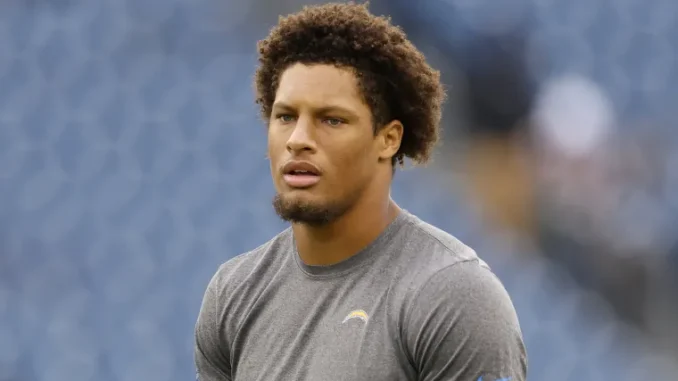
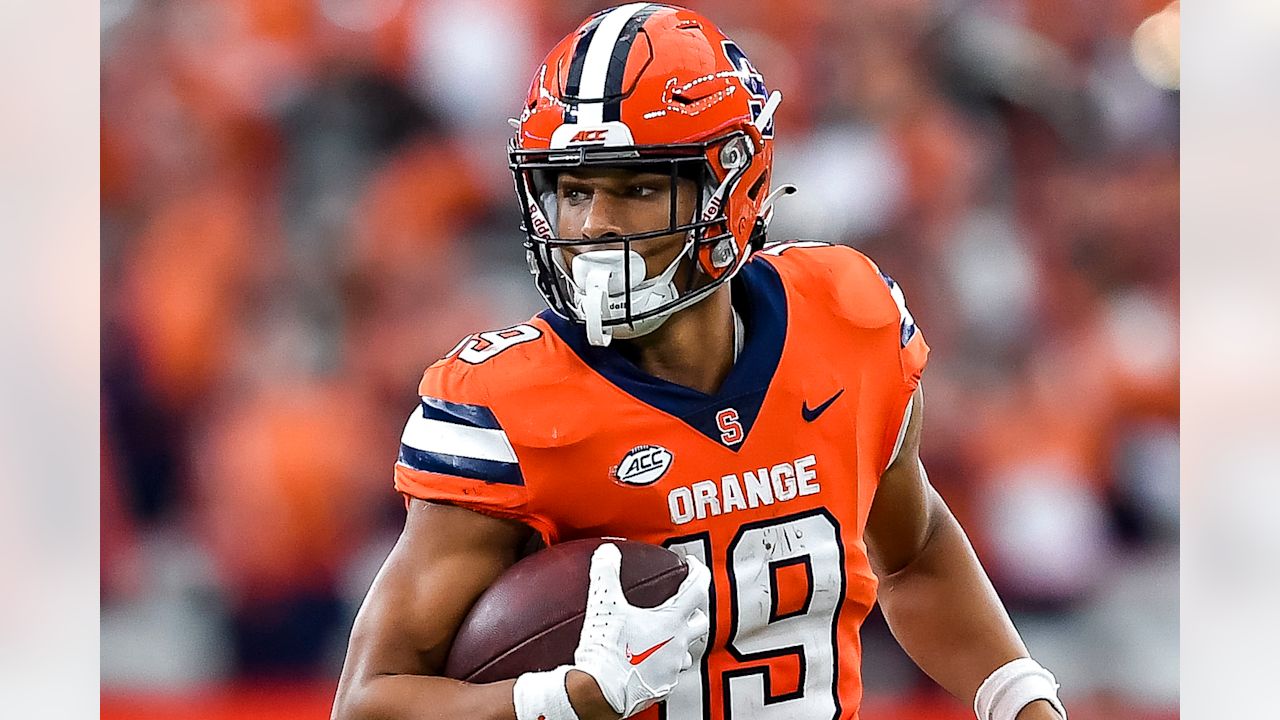
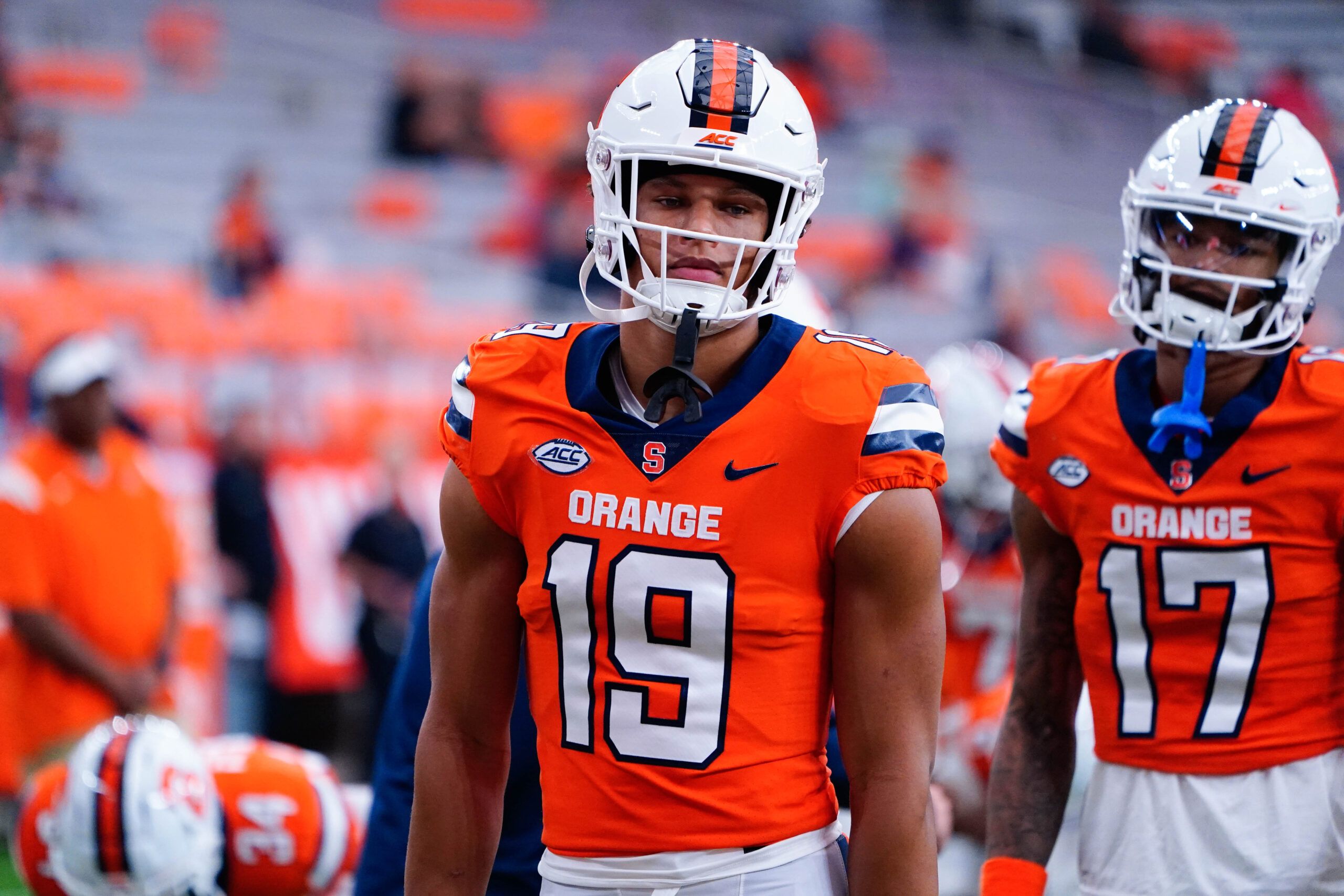
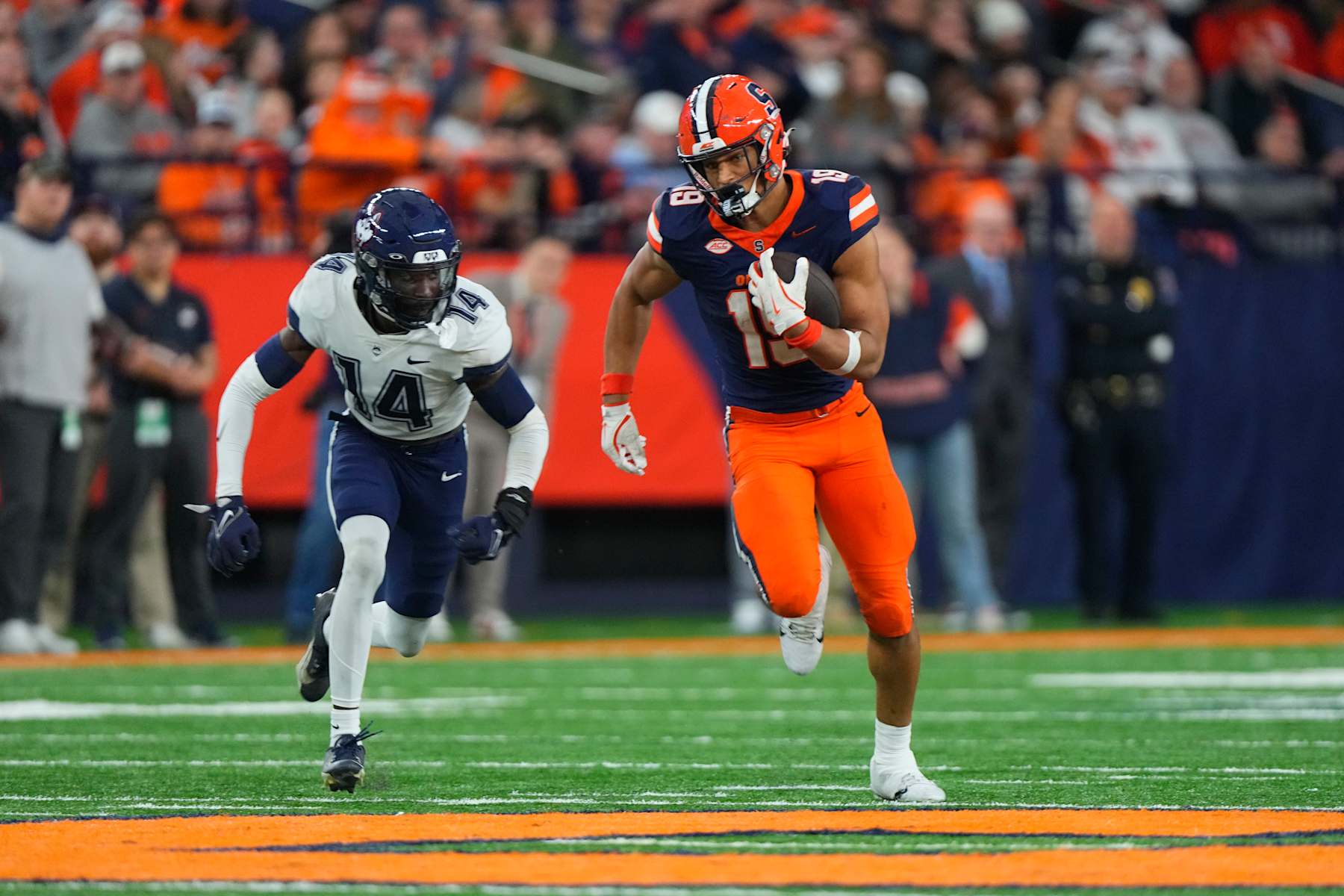
His son, Oronde Gadsden II (born June 25, 2003) attended Syracuse University and later was selected by the Los Angeles Chargers in the 5th round (Pick 165) of the 2025 NFL Draft.
-
Gadsden II has already made an impression in college and in the early part of his NFL career with his receiving ability.
-
The father-son legacy adds an interesting dimension for fantasy and player-development discussions: The younger Gadsden has tight end versatility, meaning he may have a different fantasy trajectory than his father did.
Legacy note: With Gadsden II emerging in the NFL, the elder Gadsden’s legacy lives on—not just via stats, but via a generational link in pro football.
Career Stats & Highlights
-
Height/Weight: 6′2″, 215 lb.
-
Career regular season: 227 receptions, 3,252 yards, 22 touchdowns.
-
In college at Winston-Salem State: In his senior year he caught 56 passes with 16 touchdowns and averaged 19.8 yards per reception.
-
He led or ranked near the top in his college conference in yards per catch, yards per game, and touchdowns.
Why these matter:
-
The yards per catch highlight his big-play ability.
-
The touchdown numbers reflect his role in scoring.
-
The steady career totals affirm that when healthy he was a reliable contributor.
Why Oronde Gadsden Still Matters
-
He exemplifies a transition from undrafted/small-school to meaningful NFL contributor (he played at Winston-Salem State and went on to the NFL).
-
His statistical profile (14.3 yards per catch; 3,000+ yards) makes him a useful case study for receivers who are “above average” but not elite superstardom.
-
The father-to-son link with Gadsden II offers a narrative for fans of legacy, development, and multi-generational NFL families.
-
For fantasy before the explosion of positional specificity and PPR leagues, Gadsden’s career gives valuable lessons: consistent if not spectacular, influenced by injuries and team role.
Conclusion
Oronde Gadsden’s career is a story of talent meeting opportunity, with some setbacks from injury but ultimately solid output. His number(s) (86/88) and stats (227-3,252-22) mark him as a noteworthy receiver from his era. Meanwhile, his son, Oronde Gadsden II, is carrying forward the family name into the next generation of the NFL—with fantasy relevance that could surpass his father’s given the modern TE-heavy offenses.