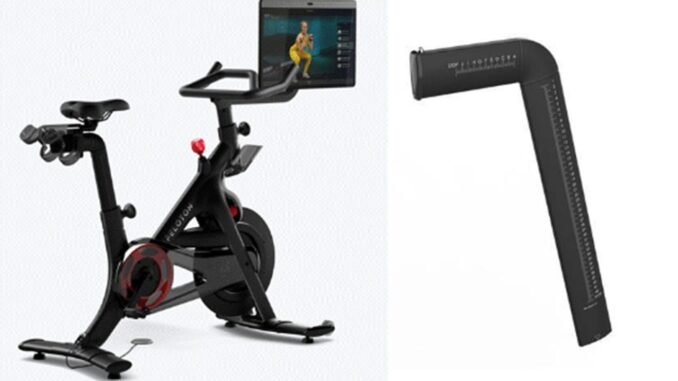
The iconic home-fitness brand Peloton has issued two major recalls related to seat-post failures on its exercise bikes. If you own one of these bikes—or are considering buying a used one—this article outlines exactly which models are affected, what the hazard is, how to check your bike, and what you should do next.
1. What is the safety issue?
The core problem: the seat-post assembly on certain Peloton bikes can break or detach during use, which presents a fall-and-injury hazard.
-
In the 2023 recall, Peloton reported 35 incidents of seat posts breaking and detaching, including 13 injuries such as fractured wrist, lacerations and bruises.
-
Most recently, in late 2025 (November) the company again recalled bikes due to defective seat posts.
-
According to user reports and Reddit posts, the design of the weld in the seat post was a key weakness.
In short: if you’re riding a bike with an affected seat-post, you could unexpectedly fall off if the seat post fails under load. Safe use is compromised.
2. Which models / model numbers are affected?
Here are the key model numbers, years, and identifiers you should check:
Model PL01
-
Affected model: PL01 (the original Peloton Bike).
-
Sold in the U.S. from January 2018 through May 2023.
-
The seat-post recall applied to these units.
-
Label location: On the inside front fork near the flywheel.
Model PL02
-
In November 2025, Peloton issued a recall covering around 833,000 bikes in the U.S. & Canada, model number PL02 (Original Series Bike+).
-
These units were sold between January 2020 and April 2025, with serial numbers beginning with “T” (in U.S.).
Important: Other models not affected (as of latest recall)
-
The recall notices state that newer bikes, such as the “Bike+ Cross Training Series” launched after the redesign, are not affected.
-
Always check your serial number, manufacture date, and model label—not just assume your bike is safe.
3. How to check if your bike is affected
If you own a Peloton bike, follow these steps:
-
Locate the model number on your bike frame—especially on the inside front fork near the flywheel. The label typically shows “PL01” or “PL02”.
-
Check the serial number. For the 2025 recall (PL02), serials beginning with “T” are affected in U.S./Canada.
-
Check the manufacture / sale date. For PL01, sold January 2018-May 2023. For PL02, sold Jan 2020-April 2025.
-
Inspect the seat-post design: Many users noted the older version had thinner welds and fewer internal supports.
-
If in doubt, visit Peloton’s official support site or recall page to enter your serial/model and check eligibility.
4. What you should do if your bike is part of the recall
If you identify your bike as being within the recalled model/serial range, take action:
-
Stop using the bike until the remedy is applied. The recall notices advise this due to risk of fall.
-
Contact Peloton (toll-free number or via their support site) and request the free replacement seat post. Both the 2023 and 2025 recalls offer self-install replacements.
-
Follow the installation instructions carefully once the new seat post arrives—improper installation can reduce the effectiveness of the remedy.
-
Keep records of your order number, date, installation proof—just in case of future claim/issue.
-
If you plan to sell your bike, disclose that it was part of a recall and that the replacement was applied. Transparency helps both buyer and seller.
5. Why this matters (for you as owner or prospective buyer)
-
Safety: A seat post failure during use can lead to a fall and injury. If you fall suddenly while riding, injuries such as wrist fractures or lacerations are possible.
-
Resale value: Bikes from affected models may have lower resale value unless the recall remedy has been applied and documented.
-
Liability & warranty: If you’re using a recalled product, the manufacturer’s liability is engaged. Having the remedy installed means you’re safer and the warranty question is clearer.
-
Peace of mind: Knowing your bike is safe gives you the confidence to focus on workouts—not worrying about mechanical failures.
6. FAQ — quick answers
Q: Does this recall cover all Peloton bikes worldwide?
A: No. The 2023 recall (PL01) covered U.S./Canada purchasers of certain serial ranges; the 2025 recall (PL02) also covers U.S./Canada with serials beginning “T”. Other international models or newer versions might not be affected—but you must check specifics.
Q: If I got the replacement seat post already, am I safe?
A: Yes—if you received and installed the free replacement seat post from Peloton, you have addressed the known hazard for your unit. Make sure the part is correctly installed and documented.
Q: Can I continue using the bike if I have one of the affected models and haven’t ordered the replacement yet?
A: According to recall notices, you should stop using the bike until the remedy is installed because of the risk.
Q: How many bikes were affected?
A: For the 2023 recall (PL01) about 2.2 million units in the U.S. were covered. For the 2025 recall (PL02) approximately 833,000 units in the U.S., plus about 44,800 in Canada.
7. Final thoughts
If you own a Peloton bike, it is worth your time to check the model number, serial number, and installation status of the seat post. Recalls happen, but what matters is that the remedy is applied correctly. As home-fitness gear becomes more integrated (screens, connectivity, subscriptions), the mechanical safety side can sometimes be overlooked—but it remains critical.
By verifying:
-
the model number (PL01 vs. PL02)
-
the serial number
-
the seat-post replacement status
you can either continue using your bike with peace of mind or take the steps needed to make it safe. If you’re in the market for a used Peloton bike, this recall history is something to check before purchase.