Introduction
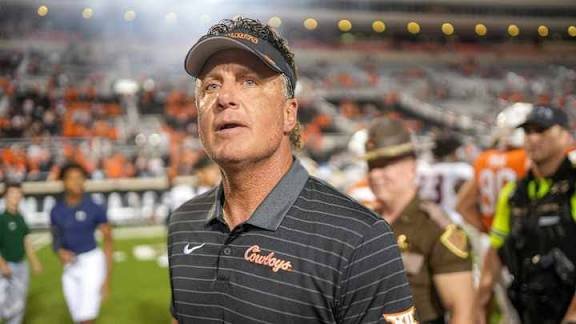
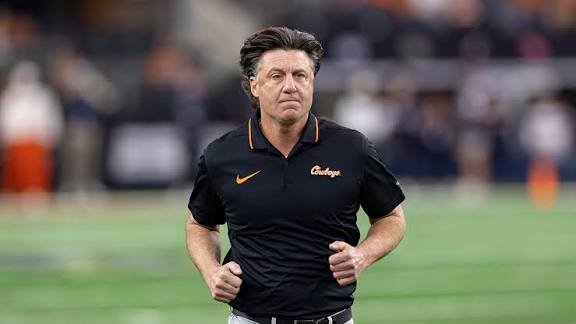
Mike Gundy’s name has been synonymous with Oklahoma State football for over two decades. As a player, assistant, and finally head coach, he elevated the Cowboys to national prominence. But in September 2025, that storied tenure came to an end. This article examines why Mike Gundy was fired, his coaching record, and how much Oklahoma State is paying him in buyout. We also dig into the broader context: recent struggles, contract details, and what led up to the decision.
Who is Mike Gundy?
Mike Gundy played quarterback at Oklahoma State from 1986 to 1989. After a stint coaching elsewhere and returning to OSU as assistant/OC, he was promoted to head coach in 2005. Over the years, he became the face of OSU football — both its biggest successes and, finally, its challenges.
Coaching Record at a Glance
Here are the key statistics and high points from Gundy’s head coaching tenure:
| Metric | Value |
|---|---|
| Total seasons as head coach | 21 (2005 ‒ 2025) |
| Overall record | 170 wins, 90 losses |
| Bowl record | 12–6 |
| Conference championships | 1 outright Big 12 title (2011) |
| Number of 10-win seasons | 8 |
| AP Top-25 finishes under Gundy | 10 times |
These numbers reflect a long period of success, especially when compared to OSU’s history before Gundy.
Why He Was Fired
Despite his accomplishments, several factors built up to the decision to fire Mike Gundy. Here’s a breakdown:
-
Recent Decline in Performance
-
In 2024, Oklahoma State had a 3-9 record, marking one of their worst seasons in recent memory.
-
They lost all their conference games in the Big 12.
-
Losses piled up: entering the 2025 season, OSU had lost 11 of its last 12 games.
-
-
Poor Start to the 2025 Season
-
Gundy’s team started 1-2 in the 2025 season. One of those losses was to Tulsa, a team OSU had not lost to since 1998.
-
Many observers considered that the trend of decline was severe enough that immediate action was required.
-
-
Contractual Pressure and Expectations
-
After the 2024 season, with disappointing results, there was already tension around Gundy’s contract: it was renegotiated (salary down, buyout adjusted).
-
Stakeholders (administration, alumni, fans) had high expectations: consistent winning seasons, bowl games, national relevance. Decline in recruiting, performance in conference, and failure to keep up with evolving college football dynamics (like Name, Image, and Likeness — NIL — and transfer portal activity) further raised concerns.
-
-
Institutional Decision
-
On September 23, 2025, Oklahoma State officially fired Gundy after the 1-2 start.
-
The administration cited this as a necessary step toward returning the program to “championship-level football,” and restoring competitiveness nationally.
-
In sum, decades of success couldn’t offset a sharp dip in recent performance, looming expectations, and contract obligations that gave the university enough justification and obligation to move on.
The Buyout: How Much OSU Owes
One of the most discussed parts of Gundy’s firing is the buyout. Here are the facts:
-
Amount: $15 million. That is what Oklahoma State owes Gundy under his contract for terminating him without just cause during the first three years of his recently restructured deal.
-
Contract renegotiation: In December 2024, after the dismal 2024 season, Gundy and OSU reached a contract revision. His salary was reduced (from a previous higher figure), and his buyout (from older terms) was lowered. Under the new terms, if fired in the first three years of the deal, the buyout is $15 million; if in the fourth year, it drops to $10 million.
-
Payment structure: According to reports, OSU is obligated to pay the buyout from its general revenue or operating budget and to honor the contract’s liquidated damages clauses.
OSU is committed to honoring the contract’s terms; there were no indications that the university attempted to negotiate down the $15 million buyout at the time of the firing.
Full Coaching Timeline: Highs & Lows
To understand how we got here, useful to see the full arc of Gundy’s tenure:
-
2005-2010: Early building years; Gundy steadily improved OSU’s competitiveness.
-
2011: Breakout year — won Big 12, national awards.
-
2010-2023: Generally stable to strong performance: multiple 10-win seasons, regular bowl appearances, consistent in Big 12 standings.
-
2024: Major downturn — 3-9 record, winless in conference. Signaled crisis.
-
2025: Began with hopes of recovery, but early losses (including to Tulsa) underscored lingering issues. OSU fired him after 3 games. Mike Gundy fired.
The Aftermath & Broader Implications
-
Legacy: Gundy leaves as the winningest coach in OSU history; someone who lifted the program’s profile considerably.
-
Financial Cost: $15 million buyout is not trivial. But for the university, the calculation is that the cost of staying in a trend of decline (both reputationally and financially) is likely higher.
-
Program direction: With the change, OSU will need to find a successor capable of adapting to the modern college football landscape: recruiting via NIL, handling transfer portal dynamics, maintaining fan support, etc.
-
Fan, donor, and alumni expectations will now count heavily in how the new coach is selected. The margin for error is shrinking.
Frequently Asked Questions (FAQs)
Q1: Was Mike Gundy a bad coach overall?
A: No. Gundy had a very successful career overall at Oklahoma State. His record of 170-90, 12-6 in bowl games, multiple 10-win seasons, and a Big 12 title are strong credentials. His firing was less a question of his entire career and more about recent decline and unmet expectations. Mike Gundy fired.
Q2: What was the worst season under Gundy?
A: The 2024 season stands out. OSU went 3-9 and did not win a Big 12 game. It was one of the worst downturns in his long tenure.
Q3: Could Oklahoma State have avoided firing him by keeping him for another year?
A: Possibly, but the administration clearly felt that things had deteriorated: poor performance, rising expectations, difficulties adapting to changes (NIL, transfer portal). They apparently believed that immediate change was needed. Also, the buyout structure (which was already in place) meant that waiting might only have increased costs or delayed recovery.
Q4: What is the significance of the $15 million buyout?
A: It’s the amount OSU must pay Gundy under his contract if he is terminated without just cause during the first three years of his restructured deal (which includes 2025). It reflects negotiated terms after his worst season, ensuring financial protection for Gundy even in termination. For the university, it’s a big cost but considered part of “cost of transition.”
Q5: Who is interim head coach until a replacement is found?
A: Doug Meacham, the offensive coordinator, was named interim head coach following Gundy’s dismissal.
Q6: What factors beyond win-loss record contributed to the decision?
A: Several. Recent losses especially to lesser opponents (like Tulsa). Recruiting performance,/adaptation to NIL and transfer portal realities. Declining depth. Rising demands from conference competition, and pressure from fans, alumni, donors. Also contract renegotiations had already created tension. Mike Gundy fired.
Conclusion
Mike Gundy’s firing ends a long, storied era at Oklahoma State. His coaching record is impressive: many wins, multiple successful seasons, bowls, and a championship. Yet, recent underperformance, elevated expectations, and structural changes in college football contributed to OSU’s decision to move on. With a $15 million buyout on the table, the university is signaling that, sometimes, even legends can’t be exempt from accountability — and that long-term success must be sustained, not just celebrated in the past.