Introduction

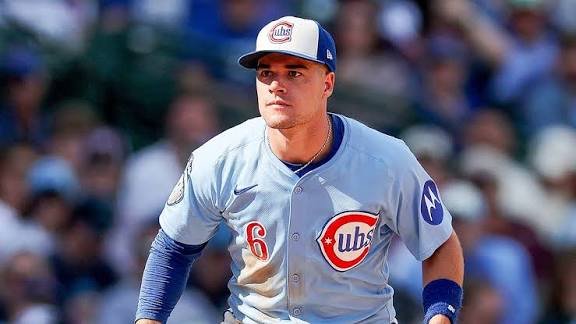
Matthew James Shaw, commonly known as Matt Shaw, has quickly become a name to watch in Major League Baseball. From his standout days at the University of Maryland to his emergence as a promising prospect, his journey has been rich with statistical intrigue, fan discussions, and high expectations. This article explores his background in Maryland, his MLB debut, how his metrics stand up in Baseball Savant, and what Reddit and other communities are saying.
Early Life and Maryland Career
-
Birth & Early Life: Matt Shaw was born on November 6, 2001, in Springfield, Massachusetts. He attended Wilbraham & Monson Academy before transferring to Worcester Academy.
-
College Baseball at Maryland: Shaw played for the Maryland Terrapins. At Maryland, he quickly made a mark:
-
As a freshman, he batted .332 with 42 runs scored and 30 RBIs, earning Big Ten All-Freshman honors.
-
In subsequent years he developed more power; by his junior season he became Maryland’s all-time leader in home runs.
-
He was awarded the Brooks Wallace Award after the 2023 season, given to the nation’s top collegiate shortstop.
-
-
Summer Leagues: During college summers, Shaw played in other leagues, such as the Futures Collegiate Baseball League (FCBL) and Cape Cod Baseball League. He performed well in those, including being MVP in Cape Cod.
Draft, Minor Leagues, and Ascension to MLB
-
MLB Draft 2023: Shaw was selected by the Chicago Cubs in the first round, 13th overall, in the 2023 MLB Draft. He signed for the full slot value (~US$4.85 million).
-
Minor League Performance:
-
In 2023, Shaw split time among rookie level, High-A, and Double-A, showing promise.
-
In 2024, he played mostly at Tennessee (Double-A) and the Triple-A Iowa Cubs, in 121 games with a batting slash line of about .284/.379/.488, 21 home runs, 71 RBIs, and 31 stolen bases.
-
-
MLB Debut: Shaw made the Cubs’ Opening Day roster in 2025, and debuted on March 18, 2025. His first MLB hit came one day later. His first home run came on March 29 off Jalen Beeks of the Diamondbacks.
Baseball Savant: Advanced Metrics & What They Say
Baseball Savant provides a treasure trove of advanced metrics for modern baseball, and Shaw’s profile there gives insight into his strengths and areas for improvement. Let’s explore:
-
Standard / Rate Stats (2025 Season):
In 2025, through 422 plate appearances, Shaw’s stat line was:-
Batting average (AVG): .224
-
On-base percentage (OBP): .294
-
Slugging percentage (SLG): .385
-
OPS: .679
-
Home runs: 12
-
Stolen bases: 16
-
-
Metrics vs Pitch Types:
According to Savant’s pitch type splits, Shaw has varied results depending on pitch type. For example, his batting average and slugging are higher versus changeups in certain instances, while fastballs give mixed results. -
Expected Stats (“x-Stats”):
Shaw’s expected xHR (expected home runs) are close to actual (for example, ~12 HRs actual, xHR slightly above in some versions). This points to his power being somewhat sustainable but depends on consistency. -
Hard-Hit & Exit Velocity:
Some highlight moments include homers with high exit velocity (e.g. ~107.6 mph on one home run) and long hit distances. These earner praise for raw power. -
Plate Discipline & Batted Ball Profile:
Shaw’s walk rate, strikeout rate, chase tendencies, and hard hit % are middling in comparison to top MLB players. His zone swing/contact metrics are solid but there is room for improvement in avoiding weak contact and reducing chase/outside-zone swings. -
Defensive Metrics:
Fielding Run Value, Outs Above Average (OAA) etc., show mixed to modest results. Shaw plays infield, and his defensive metrics indicate average to slightly below average in some measures.
What Reddit & Fan Communities Are Saying
Fan and forum discussion (especially on Reddit) often provide a pulse on how the broader public perceives a player like Shaw, beyond stats:
-
Expectations vs. Reality: Some fans expected Shaw’s power to immediately translate to high batting average. Conversations point out that though his home run totals are encouraging, his batting average and consistency have fluctuated.
-
Prospect Hype & Comparisons: Reddit threads often compare his raw tools and college dominance (especially at Maryland and in summer leagues) to how quickly they translate in MLB. There is debate about whether Shaw will become a middle-of-order bat regularly or more of a power/role player.
-
Baseball Savant Interpretations: Fans often use Baseball Savant to parse Shaw’s expected metrics (xwOBA, xSLG, exit velocity) and argue whether his underperformance in certain areas is due to bad luck or correctable skill gaps.
-
Defense & Positioning: Some concern arises in fan discussions about whether Shaw can settle into a consistent defensive position with high fielding + arm metrics or if the Cubs will shift him around.
These Reddit threads reflect that Shaw is both respected for his potential and also under a bit of pressure to refine certain parts of his game.
Strengths, Weaknesses, & Developmental Trajectory
Based on what Maryland, the minors, MLB, and Savant data show, here are where Matt Shaw’s strengths lie, weaknesses to address, and where he could go from here.
Strengths
-
Power Hitting & Raw Tools: Shaw’s home run ability is real. Several homers have come with impressive exit velocities and distances.
-
Speed & Base-Running: With about 16 stolen bases (2025) and solid baserunning metrics, he adds value beyond just power.
-
Plate Awareness in Some Zones: While not elite, his zone contact and swing discipline in certain zones help him avoid purely feast-or-famine outcomes.
-
Onto MLB Early: The fact that he was first-round draft pick and reached MLB in 2025 shows his developmental path is ahead of many.
Weaknesses / Areas for Improvement
-
Consistency of Contact & Batting Average: His AVG around .224 in 2025 suggests that while he gets power, there are a lot of outs or weak contact in there. Improving contact quality (launch angle, exit velocity) will matter.
-
Plate Discipline Against Certain Pitch Types: He shows more struggles against non-fastball pitches at times; reducing chase rate and optimizing swing decisions will help.
-
Defense: Defensive metrics are not yet elite; there is room to improve fielding run value and consistency. Positioning and reaction are often discussed in fan communities.
-
Handling MLB Adjustments: As pitchers adapt, Shaw will need to adjust back. The leap from minors to MLB often exposes things like off-speed pitches, pitch sequencing, etc.
Developmental Trajectory
-
Short-term (next 1-2 years): Expect incremental improvements. Work on reducing strikeouts, improving contact, refining approach vs different pitch types, perhaps adjusting swing path.
-
Long-term potential: If Shaw can maintain or improve his power, increase batting average somewhat, and become average to above average in defense, he might solidify as a middle-of-order bat. If certain deficiencies persist, he might be more of a power specialist.
MLB Performance & 2025 Season Highlights
-
2025 MLB Stats (to date): Through 2025, Shaw has played many plate appearances (422), with 12 home runs and 16 stolen bases—which already makes him one of the more dynamic young players combining power + speed.
-
Notable Games & Moments:
-
Multiple home runs with high exit velocity (~107 mph) and long carry.
-
Memorable at-bats versus tough pitchers; adjustments in swing versus sliders/changeups.
-
-
Comparative Performance: While Shaw’s OPS (~.679) is below what many star hitters post, when looking at his age, first full MLB season, and raw tools, the trajectory is promising. His metrics relative to other rookies or early career players show he may outperform many peers who cannot combine aspects like speed + power.
Perceptions, Media & Future Projections
-
Media Narrative: Shaw is often described as a high-ceiling player. Analysts talk about power, athleticism, and college pedigree (Maryland + summer leagues) as evidence. He’s not being termed flawless, but expectations are strong.
-
Reddit & Community Sentiment: Mixed but generally positive. Some fans are optimistic about what he can become, while others caution that raw power doesn’t always translate into consistent MLB success. Conversations frequently involve Savant metrics and comparisons with other young MLB infielders.
-
Where He Could Be in 3-5 Years:
-
If improvements continue, Shaw could be an All-Star candidate.
-
Alternatively, he might become a valuable complementary piece: a power hitter in the lower half of the order, contributing speed, with occasional defensive versatility.
-
Baseball Savant Deep Dive: What the Data Suggests
Let’s dig a bit more into what the advanced metrics from Baseball Savant are telling us:
-
Expected statistics (x-wOBA, x-SLG, etc.): Shaw’s expected numbers are not wildly below his actual performance, which suggests that some underperformance may be due to variance rather than wholly bad approach.
-
Hard Hit Rate & Barrel Rate: Though not top of the league, his barrel rates and high exit velocity events are enough to suggest the power is not fluky. Moments where he barrels up fastballs or homers off non-fastballs speak to strength and bat speed.
-
Pitch Type Splits: As noted, Shaw has done better when he can anticipate or adjust to secondary pitches (sliders, changeups). When he chases too much or fails to drive off-speed stuff, he gets in trouble. These splits are key to projecting if his success can sustain.
-
Plate Discipline Metrics: Zone swing %, contact vs Whiffs, Chase rate – these are somewhat average or below average in some dimensions. Improvement here could yield big gains in batting average and on-base.
-
Run Value & Baserunning: Shaw’s base running adds positive value; stolen bases and extra base takes help balance some of the offensive struggles. Matt Shaw baseball.
Maryland’s Influence and Legacy
-
Maryland’s role in Shaw’s development was substantial: coaching, summer league exposure, competitive conference play. The Big Ten baseball environment gave him platform to showcase both contact and power hitting.
-
His collegiate success at Maryland (becoming all-time home run leader, winning prestigious awards) not only elevated his draft stock but also shaped his tools: offensive instincts, swing mechanics, handling pressure.
-
For Maryland fans, Shaw is already something of a legacy player. His achievements in college continue to draw attention back to Maryland baseball programs. Matt Shaw baseball.
Challenges Going Forward
-
Injury Risk & Durability: Like many players with power, managing physical wear (swing mechanics, legs for speed, back/hands for power) will matter.
-
Pitch Recognition & Adjustments: MLB pitchers will adjust to him; he must adjust back. Recognizing spin, location, sequencing will separate good swings from great ones.
-
Consistency Periods: Young players often have hot streaks and slumps; consistency over the long season is the challenge.
-
Mental & Mental Fatigue: Pressure, media, expectations + travel can test young players. Maintaining focus and mental resilience will be as important as physical tools.
FAQs
Q1: What positions does Matt Shaw play?
A: Matt Shaw is primarily an infielder. During his college and minor league career, he played shortstop and third base. In MLB with the Chicago Cubs, he has been used primarily at third base. Matt Shaw baseball.
Q2: What are some of Matt Shaw’s Baseball Savant metrics?
A: Key Savant metrics for Shaw include:
-
~.224 batting average (2025) with .294 OBP, .385 SLG, .679 OPS.
-
Home runs vs expected home runs close (i.e., his actual vs xHR not far apart).
-
Pitch type splits reveal better performance vs certain secondary pitches; room for improvement vs fastballs and breaking pitches.
-
Exit velocity and hard-hit rate decent; some highlight homers show raw power.
Q3: How did Matt Shaw perform in college?
A: At Maryland:
-
Freshman year: .332 batting average, 42 runs, 30 RBIs.
-
Sophomore/junior years: developed more power; hit many home runs; by junior year became Maryland’s all-time leader in home runs. Won Brooks Wallace Award in 2023. Matt Shaw baseball.
Q4: When did Shaw make his MLB debut, and how has his rookie season gone so far?
A: He made his MLB debut with the Chicago Cubs on March 18, 2025. As a rookie / first full season, his stats are mixed: 12 homers, 16 stolen bases, but a batting average around .224 and OPS under .700. Strengths in power and speed; still improving in contact and consistency.
Q5: What are the key areas Shaw needs to work on to become a consistent star?
A: Based on current data, focal areas are:
-
Improving batting average by increasing contact rate, reducing weak contact.
-
Better plate discipline vs breaking and off-speed pitches.
-
Defensive consistency (positioning, fielding metrics).
-
Sustain physical and mental durability over long MLB seasons. Matt Shaw baseball.
Conclusion
Matt Shaw embodies many of the qualities that make baseball intriguing: raw tools, fast rise, question marks about consistency, and the potential to grow into a star. With Maryland as his foundation, the Southern League MVP award behind him, and early MLB exposure, Shaw is in a promising position. Baseball Savant’s metrics show both his strengths and where growth is needed. Fan communities, including Reddit, are watching closely—some already see the makings of a future cornerstone bat, others caution about the steep learning curve.